Weekend Trips for Seniors Over 60: Easy and Enjoyable Getaway Ideas
Weekend trips can be one of the easiest ways for adults over 60 to enjoy a real change of scenery without the strain of long, complicated travel. A short getaway leaves room to rest, explore at a comfortable pace, and share quality time with a partner, friends, or family. With sensible planning, these mini breaks can be affordable, flexible, and genuinely refreshing. The guide below highlights practical ideas, smart comparisons, and easy routines that make a quick escape feel rewarding rather than tiring.
Outline: 1. How to choose the right kind of weekend trip after 60. 2. Destination types that are especially easy and enjoyable for shorter breaks. 3. Transportation, lodging, and packing choices that reduce stress. 4. Sample weekend trip styles for different interests and mobility levels. 5. A conclusion focused on comfort, confidence, and making short travel more meaningful.
Choosing the Right Weekend Trip After 60
The first step in planning a satisfying weekend trip is not choosing a destination on a map. It is choosing the right pace. For many seniors over 60, the most successful getaway is one that fits current energy levels, mobility, and personal interests rather than an idealized version of travel. A two to four hour journey is often a very practical target for a weekend escape. It is far enough to feel different from home, yet short enough that the trip does not consume an entire day. When travel time stretches beyond that, a two night getaway can begin to feel rushed, especially if there are traffic delays, airport lines, or too many hotel transitions.
Comfort matters just as much as excitement. Some travelers love a strollable historic district with cafés, museums, and benches along the main street. Others would rather sit beside a lake, read for an hour, and take one scenic drive before dinner. Neither choice is more correct. The key is to match the trip to the kind of weekend that restores you. Seniors planning a getaway should weigh a few practical questions before booking:
• How much walking feels enjoyable in a single day
• Whether stairs, uneven streets, or long standing times are manageable
• If nearby medical services, pharmacies, or grocery stores would bring peace of mind
• How much weather, noise, and crowd levels affect comfort
Timing can also make a major difference. Shoulder-season travel, such as late spring or early fall, often works very well for older travelers. Temperatures are usually milder, attractions are less crowded, and hotel rates can be lower than peak holiday periods. A beach town in September, for example, can feel calmer and easier to navigate than the same place in midsummer. Similarly, a mountain village in early October may offer pleasant scenery without the congestion of a festival weekend.
Budget deserves honest attention too. Weekend trips do not have to be expensive to be worthwhile. In fact, shorter travel often becomes more enjoyable when expectations stay realistic. A clean hotel with elevator access, a reliable breakfast, and a comfortable chair in the room may deliver more real value than a luxury property that adds extra cost without making the stay meaningfully easier. The best weekend trip after 60 is often the one that feels simple from beginning to end. When the planning process reduces friction, the destination has a much better chance of feeling like a true break rather than a test of endurance.
Destination Types That Make Weekend Travel Easier
Not every destination works equally well for a short trip, and that is especially true when convenience matters. Some places are naturally better suited to weekend travel for seniors because they offer easy navigation, shorter distances between attractions, and a calmer rhythm. One of the most reliable choices is the small town getaway. Historic towns, arts villages, and waterfront communities often provide the ideal balance of charm and simplicity. You can check into a centrally located hotel, walk or take short rides to dinner, browse a local museum, and still return to your room before the day feels too long. These towns may not have the spectacle of a major city, but they often win on comfort, atmosphere, and ease.
Coastal towns are another strong option, especially outside the busiest holiday weeks. The appeal is obvious: sea air, boardwalk views, fresh food, and the soothing sense that time has slowed down a little. For travelers over 60, the comparison between a smaller beach destination and a large resort city is worth considering. A resort city may offer more restaurants and attractions, but it can also bring parking challenges, long waits, and noisier evenings. A quieter seaside town may have fewer options, yet those options are often enough for a two day trip. If the goal is relaxation, less can truly be more.
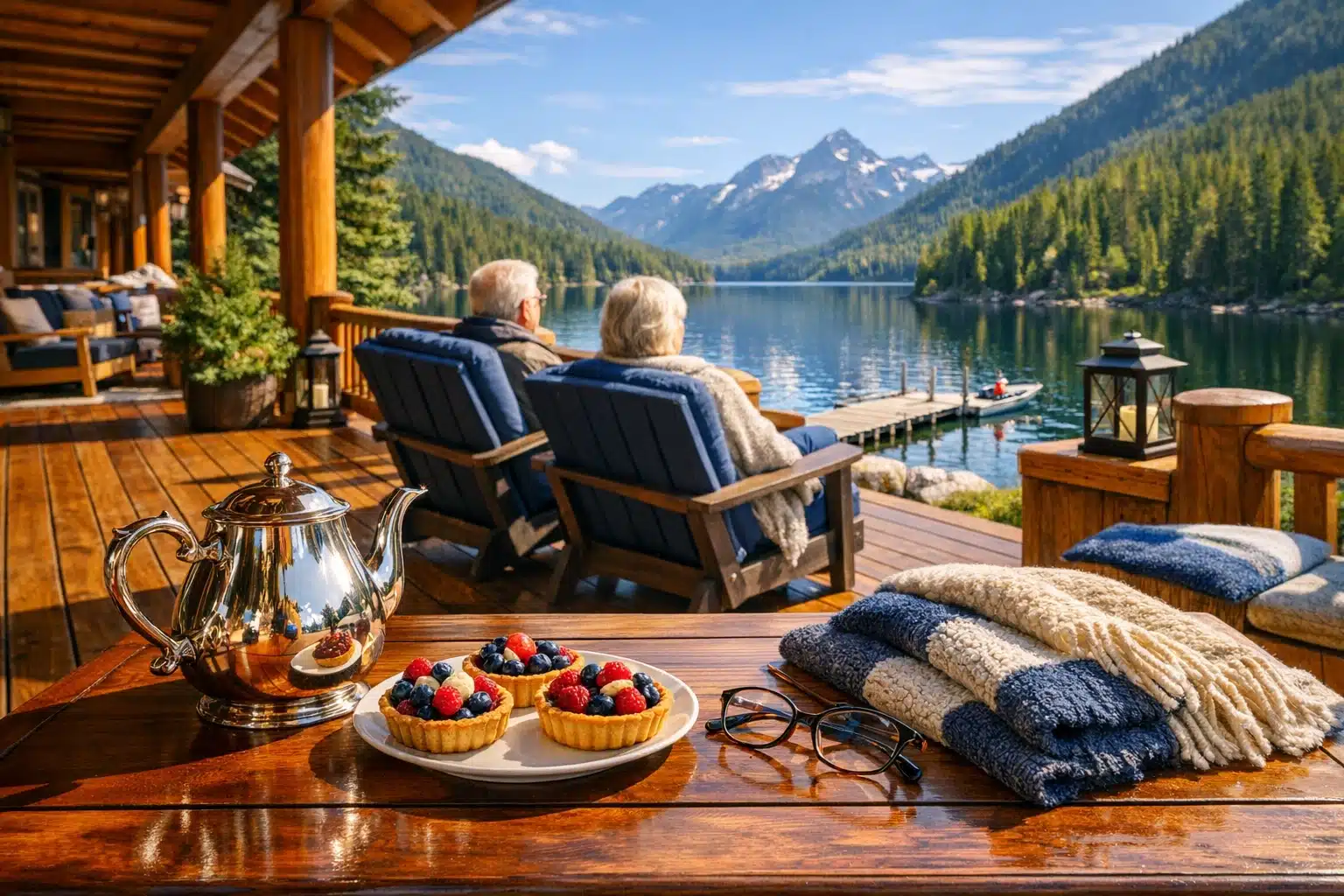
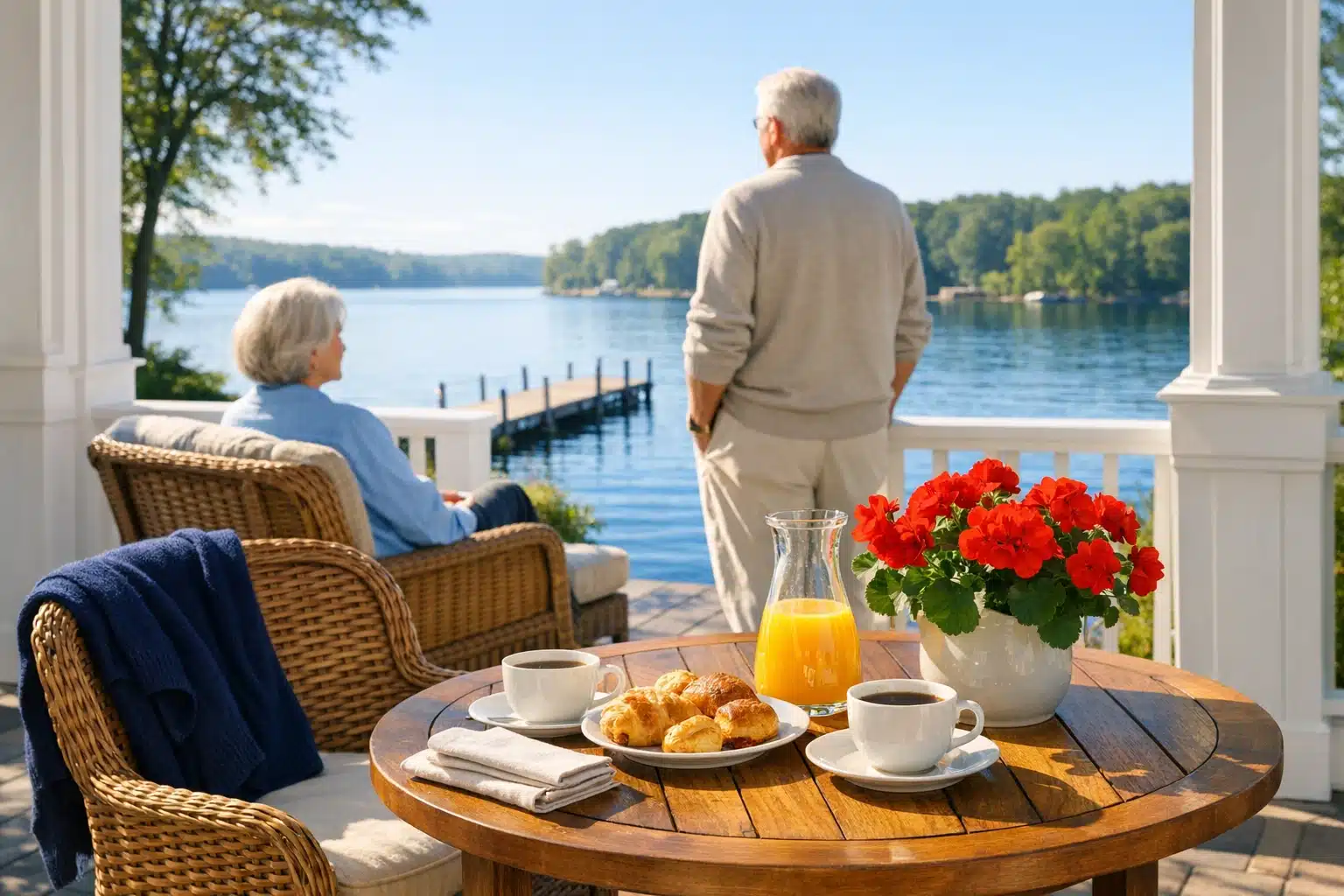
Country inns, lake areas, and scenic rural retreats are excellent for travelers who want peace rather than a packed itinerary. These destinations work especially well for couples or close friends who enjoy conversation, good meals, and gentle sightseeing. Picture a morning on a porch with coffee, an afternoon drive through farmland or forest, and an early dinner at a local inn. It is not flashy, but that is exactly why it works. The weekend feels spacious. That sense of ease is often more valuable than checking ten landmarks off a list.
For seniors who still enjoy cultural variety, a small or mid sized city can be a great compromise between excitement and manageability. Compared with major metropolitan areas, these cities often offer shorter taxi rides, easier train stations, and more approachable museums. A city with one central district can be ideal. Useful destination types include:
• Historic towns with walkable centers
• Coastal communities with off-season availability
• Lake and countryside retreats with scenic drives
• Small cities known for food, architecture, or gardens
• Spa towns or wellness resorts focused on rest
The best destination type depends on what you want from the weekend. If you crave quiet, choose water or countryside. If you want conversation and discovery, choose a town or smaller city. If mobility is limited, prioritize places where parking, dining, and sightseeing are close together. The nicest surprise of short travel is that you do not need a famous destination to have a memorable time. A comfortable room, an inviting view, and one genuinely enjoyable day can be enough to make a weekend feel rich.
Transportation, Lodging, and Packing Without the Stress
A weekend trip usually succeeds or fails on logistics more than glamour. The less friction there is in getting there, settling in, and moving around, the more enjoyable the trip becomes. For many seniors over 60, driving remains the simplest option, especially for trips within a few hours of home. It allows flexible departure times, easy luggage handling, and the ability to carry medications, snacks, extra layers, and comfort items without much thought. However, driving is not automatically the best choice. If highway traffic causes fatigue or if the destination has difficult parking, a direct train can be far more relaxing. Rail travel often removes the strain of navigation while still offering scenic views and city-center arrival points. Flying is usually the least efficient choice for a short trip unless the route is unusually convenient.
Lodging deserves careful comparison because the wrong room can make a short stay feel unnecessarily hard. Seniors should look beyond pretty photos and check practical details. Elevator access matters. Walk-in showers are often more useful than tubs. A hotel with on-site dining, luggage assistance, and a quiet location can be a much better fit than a stylish property that requires climbing stairs or walking several blocks after parking. Vacation rentals can work well for longer stays, but for a two night trip, hotels often win on simplicity. There is less housekeeping work, fewer entry instructions, and easier access to staff if something goes wrong.
Before booking, it helps to confirm:
• Distance from parking or station to room
• Whether the bathroom has grab bars or a step-free shower
• Availability of breakfast or nearby cafés
• Noise level at night
• Cancellation flexibility in case health or weather changes plans
Packing lightly is another quiet skill that makes weekend travel smoother. A small rolling bag and one personal item are usually enough. Overpacking adds lifting, searching, and clutter. The goal is not austerity; it is convenience. Bring comfortable shoes, any needed chargers, reading glasses, weather-ready layers, medications in original containers, and a small pouch with essentials that stays easy to reach. A reusable water bottle and a few snacks can also be surprisingly helpful, especially if meals run later than expected.
Health and stamina should shape the daily plan as well. A good rule for many seniors is to schedule one main activity in the morning and keep the afternoon flexible. That reduces the sense of being “on the clock.” Build in seating breaks, allow extra transition time, and avoid the common mistake of arriving and trying to see everything immediately. The smoothest weekend trips often feel almost effortless. You leave home without chaos, arrive without a scramble, and settle into the destination like a guest rather than a contestant in a race.
Five Weekend Trip Styles for Different Interests and Energy Levels
One of the best things about weekend travel after 60 is that it does not have to follow a single template. The ideal trip for one person may sound dull to another, and that is perfectly fine. What matters is choosing a format that fits your interests and physical comfort. A classic option is the small-town culture break. This works well for travelers who enjoy browsing bookstores, visiting a local museum, and lingering over lunch. Arrive Friday afternoon, check into a central hotel, enjoy a simple dinner nearby, and spend Saturday exploring one compact district. Add a historic home tour or gallery visit, then leave room for coffee and people-watching. It is gentle, social, and easy to pace.
A second style is the waterfront reset. This is ideal for anyone who wants scenery without a packed agenda. Think of a harbor town, riverside inn, or quiet beach community within a few hours of home. The weekend can include a scenic walk, fresh seafood, and time simply sitting outdoors. Compared with a city trip, the schedule is lighter and the mood calmer. Many seniors find this especially appealing after a busy family period or a stressful month. Water has a way of persuading people to slow down without feeling unproductive.
A third option is the countryside food and garden trip. This suits couples, siblings, or close friends who enjoy local flavors and relaxed outings. One day might include a farm shop, botanical garden, winery with non-rushed tastings, or an old inn known for lunch. The attractions are close enough that there is no need to hurry. A fourth style is the rail-and-stroll city weekend. This works best when the destination has a straightforward station, a compact downtown, and reliable taxis or public transport. It offers more variety than a rural trip but can still be managed comfortably if the itinerary remains selective.
A fifth style is the multigenerational family getaway. Grandparents traveling with adult children or grandchildren often do best in places with mixed activities and easy downtime. Look for destinations with simple entertainment rather than constant stimulation. Good choices include lake resorts, nature centers, and family-friendly towns with short walks, mini museums, or boat rides. Helpful features for these trips include:
• Rooms or suites that allow quiet rest
• Dining options that do not require long waits
• Nearby benches, shade, and restrooms
• One or two anchor activities instead of an all-day schedule
These examples show that a “good” weekend trip is not defined by distance or status. It is defined by fit. A book lover may return glowing from a literary town. A nature lover may be happiest after a cabin stay with one scenic overlook. A grandparent may remember nothing more fondly than pancakes with a grandchild before a short train ride. The magic of a short getaway is often found in these modest details. They are manageable to plan, realistic to enjoy, and easy to remember long after the suitcase is back in the closet.
Conclusion: Travel Light, Move Comfortably, Enjoy More
For seniors over 60, weekend trips can offer a very appealing middle ground between staying home and taking a major vacation. They are short enough to feel manageable and long enough to create a real mental break. That balance matters. Many older adults want novelty without hassle, comfort without boredom, and a little adventure without the heavy demands of complicated travel. A well-chosen weekend getaway delivers exactly that. It gives you a new view from the window, a different café for breakfast, and a reason to step outside the daily routine without turning the whole experience into hard work.
The strongest argument for these short trips is their flexibility. You can tailor them to mobility needs, budget, weather, and mood. One month may call for a quiet inn near a garden. Another may be perfect for a train ride to a small city and an afternoon in a museum. If health needs, energy, or family obligations change, the plan can change with them. That adaptability makes weekend travel especially practical in later adulthood. It is not about proving anything. It is about enjoying what suits you now.
There is also something quietly powerful about the rhythm of a short escape. You leave with just enough anticipation to feel excited, but not so much pressure that every hour has to be extraordinary. The best moments are often very ordinary: a warm lobby after a rainy walk, a scenic overlook reached without rushing, a long dinner where conversation wanders pleasantly, or the small satisfaction of returning home refreshed instead of depleted. These are not lesser travel experiences. They are often wiser ones.
If you are planning your next getaway, keep the basics in mind:
• Choose shorter travel times when possible
• Prioritize comfort, access, and restful pacing
• Match the destination to your real interests, not someone else’s itinerary
• Leave room for spontaneity and for rest
• Let simplicity be part of the pleasure
The message for travelers over 60 is reassuringly simple: you do not need a faraway destination or a packed schedule to have a memorable trip. You need a place that feels welcoming, a plan that respects your pace, and enough curiosity to enjoy the change of scene. Weekend travel, done thoughtfully, can be one of the easiest and most rewarding ways to keep exploring.