Best Weekend Trips for Seniors Over 50
Weekend trips make sense for adults over 50 because they deliver a welcome change of scene without demanding the stamina, budget, or calendar space of a long holiday. A thoughtful two- or three-day escape can blend comfort with curiosity, leaving room for museum strolls, ocean air, good food, and unhurried conversation. Whether you travel with a partner, a close friend, or on your own, the right short break can feel less like a rush and more like a reset.
Article Outline
A satisfying weekend trip rarely begins with booking a room and hoping for the best. It starts with a clear sense of what kind of experience you want, how much energy you want to spend getting there, and what details will make the journey feel easy instead of tiring. For travelers over 50, this matters even more, not because age automatically limits adventure, but because preferences often grow sharper with experience. Many people in this stage of life know exactly what they value: comfort without fuss, beauty without chaos, and memorable moments without a punishing schedule.
This guide is organized to help you move from inspiration to action in a practical way. Rather than offering a random list of destinations, it looks at the logic behind a great short escape. That approach makes the advice useful whether you love historic streets, quiet beaches, scenic train rides, farm-to-table dining, or simply a hotel room with a good mattress and a peaceful view. Think of it as a travel map before the travel map.
-
First, the article explains how to choose the right weekend trip based on mobility, interests, travel distance, climate, and pace.
-
Second, it compares popular destination types, including small cities, coastal retreats, countryside escapes, and culturally rich towns.
-
Third, it examines comfort-focused logistics such as transportation, lodging, walkability, packing, and realistic budgeting.
-
Finally, it closes with a summary aimed at adults over 50 who want short trips that are enjoyable, manageable, and worth repeating.
There is a quiet pleasure in leaving home on a Friday morning with one bag, a simple plan, and enough time to watch the landscape change. That is the spirit behind this article. It is not about traveling faster or checking more boxes. It is about choosing well, moving wisely, and returning home refreshed rather than needing a vacation from your vacation.
How to Choose the Right Weekend Trip After 50
The best weekend trip for someone over 50 is not defined by trendiness or distance. It is defined by fit. A destination may be beautiful, famous, and full of attractions, but if it requires exhausting transfers, steep streets, late dining, or too much walking for the time available, it can become more draining than rewarding. That is why the smartest travel question is not “Where should I go?” but “What kind of trip will feel good from beginning to end?”
Start with travel time. For most weekend breaks, the sweet spot is a destination reachable within two to four hours by car or train, or a short direct flight if airports are nearby and manageable. Once travel time stretches too far, a two-night trip can begin to feel compressed. A Saturday spent recovering from transit is rarely the goal. Many seasoned travelers over 50 prefer journeys that allow them to arrive before dinner, settle in, and enjoy the evening without rushing.
Next, think honestly about pace and mobility. This is not about lowering expectations; it is about matching plans to comfort. Some travelers enjoy active walking tours, while others prefer one central hotel and shorter outings. Accessibility matters too. Elevators, handrails, smooth sidewalks, nearby parking, step-free shower access, and quiet rooms can make a dramatic difference in overall enjoyment.
-
Choose places with compact centers if you enjoy browsing shops, cafés, and museums on foot.
-
Pick scenic drives or train destinations if you want more views and less physical effort.
-
Look for mild seasonal weather to avoid heat, ice, or heavy crowds.
-
Check restaurant hours, medical access, and lodging reviews before booking.
Interests should guide the trip just as much as logistics. One traveler may want gardens, antiques, and a historic inn. Another may want seafood by the harbor, a sunset cruise, and a leisurely boardwalk. Couples may prioritize romance and quiet, while solo travelers may value safety, easy navigation, and friendly public spaces. Friends traveling together often enjoy destinations with flexible options, such as a walkable downtown where one person can browse bookstores while another visits a local gallery.
Budget also deserves clear attention. Weekend travel can be affordable when the destination is nearby, but costs rise quickly with fuel, premium rail seats, resort fees, or upscale dining. A practical habit is to set a total spending range first and then build the trip around it. In many cases, a charming town one hour closer to home delivers nearly the same pleasure as a famous destination at twice the cost. Good travel after 50 often becomes less about proving something and more about choosing what genuinely restores you.
Best Weekend Trip Ideas: City, Coast, Country, and Culture
Once you know your preferred pace, the next step is choosing the type of destination that suits your style. For travelers over 50, the strongest weekend options usually share a few traits: easy access, clear character, good food, comfortable lodging, and enough to do without creating pressure. The ideal place feels rich, not crowded; interesting, not overwhelming. Below are the destination styles that tend to work especially well for short breaks.
Walkable small cities are often among the best choices. They offer museums, architecture, local restaurants, and theaters without the friction of giant metropolitan travel. Places such as Savannah, Quebec City, Santa Fe, or Bath appeal to many mature travelers because the experience is concentrated. You can enjoy culture, history, and dining in a relatively compact area. Compared with a major capital city, a smaller urban destination usually involves shorter taxi rides, calmer streets, and less decision fatigue.
Coastal towns are excellent for travelers who want rest with a touch of atmosphere. The rhythm tends to be slower, and the scenery does some of the work for you. A harbor, a boardwalk, or a sea-facing café can turn an ordinary afternoon into the highlight of the trip. Coastal escapes are particularly good for couples and close friends who enjoy conversation, fresh air, and gentle sightseeing. They may be less ideal during peak holiday periods, however, when parking, restaurant reservations, and beach traffic become inconvenient.
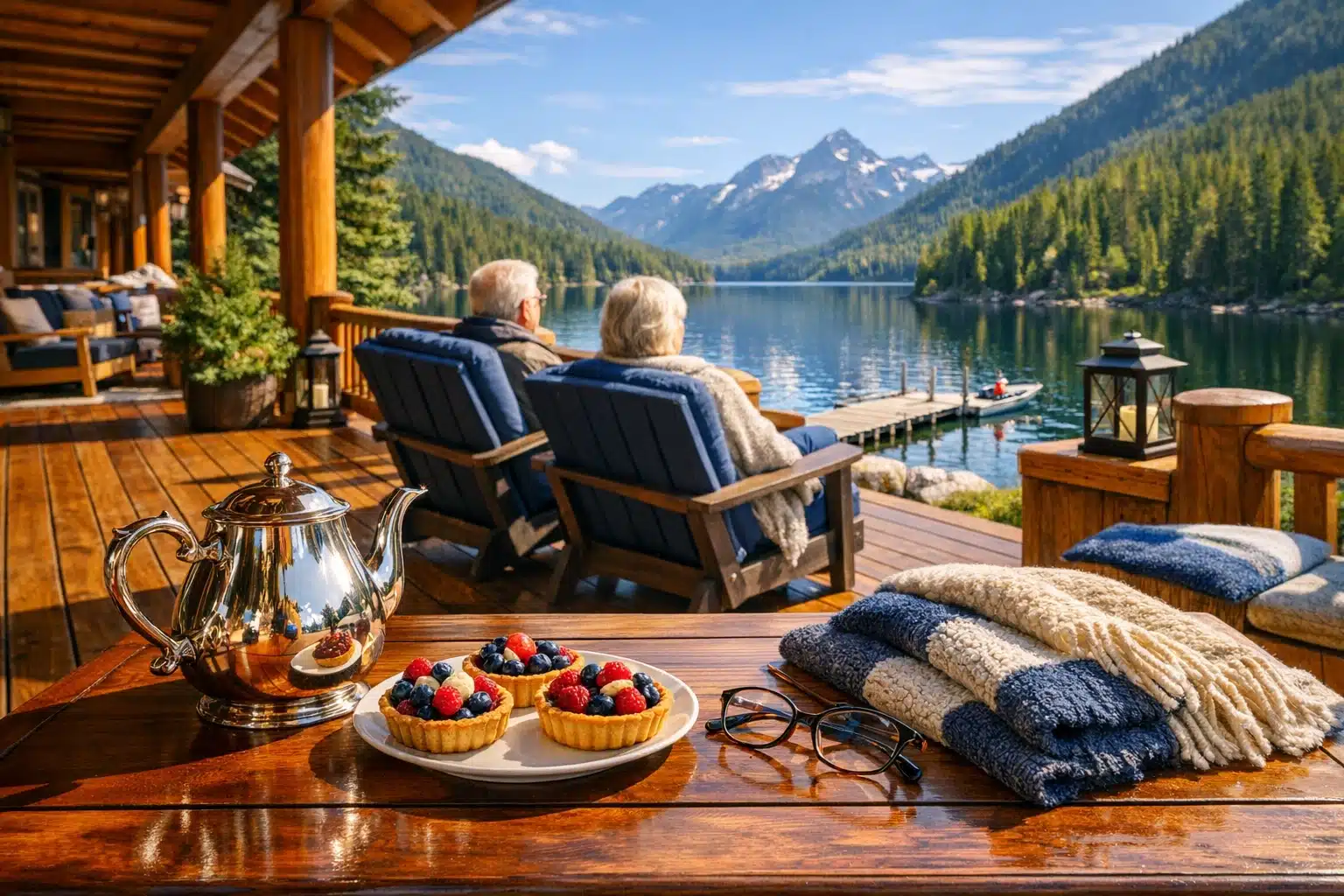
Countryside and lake retreats suit travelers who want quiet, greenery, and room to breathe. These destinations often appeal to adults over 50 who live busy urban lives and want a contrast. Think vineyard regions, cabin resorts, botanical areas, or inns near scenic drives. Compared with city trips, these breaks usually offer lower noise levels and better sleep. On the other hand, they may require more driving and fewer late-night dining options. That trade-off is worth considering before booking.
-
Choose a small city if you want variety, culture, and easy strolling.
-
Choose a coastal town if you want calm views, seafood, and a relaxed mood.
-
Choose the countryside if you want peace, nature, and a slower clock.
-
Choose a historic town if you enjoy storytelling, architecture, and local identity.
Historic and cultural towns deserve special mention because they often combine the best of several worlds. They give you architecture, guided tours, local crafts, and a strong sense of place. A weekend in such a town can feel like stepping into a novel with better coffee. You do not need a packed itinerary either. One house museum, one local market, one memorable dinner, and one scenic walk can be more satisfying than ten rushed attractions. The strongest destinations for adults over 50 are not simply famous; they are manageable, distinctive, and pleasant to inhabit for a few unhurried days.
Travel Comfort Matters: Transportation, Lodging, and Smart Budgeting
A wonderful destination can be undermined by poor logistics, while a modest destination can feel luxurious when the practical details are right. For weekend travelers over 50, comfort is not an indulgence. It is often the factor that determines whether a trip feels smooth, safe, and genuinely restorative. Transportation, lodging, daily pacing, and cost control all deserve careful attention.
Transportation is the first comfort test. Driving offers flexibility, especially for rural inns, coastal routes, and places where you may want to stop for lunch, antiques, or scenic overlooks. It also makes packing easier. Rail travel, however, can be a pleasure in itself. For many adults over 50, trains offer less stress than airports and less physical effort than long highway driving. You can read, look out the window, or simply watch towns slide by like scenes from a calm film. Flying may still be the best option for longer distances, but for a weekend trip, direct routes are usually worth prioritizing over slightly lower fares with connections.
Lodging should be chosen with more care than many travelers give it. On a short trip, the hotel or inn is not just a place to sleep; it is part of the experience. A central location may cost more, but it can reduce walking, parking hassles, and transportation expenses. Ground-floor rooms, elevators, quiet corridors, good lighting, comfortable seating, and breakfast on site can all improve the stay.
-
Ask whether the property has step-free access and walk-in showers.
-
Check if restaurants, pharmacies, or cafés are nearby.
-
Read recent reviews for comments on noise, mattress quality, and staff responsiveness.
-
Confirm parking fees, resort fees, and cancellation terms before booking.
Budgeting for a weekend trip is easier when broken into categories. A nearby budget-friendly escape may cost roughly 250 to 500 dollars per person, especially if you drive, share lodging, and keep dining simple. A mid-range city weekend with museum tickets and a better hotel can move into the 500 to 900 dollar range. Luxury spa or resort breaks can exceed that quickly. None of these numbers are rules, but they are useful planning frames.
The final piece is pacing. Leave room between activities. Build in a café stop, a bench in a garden, a slow breakfast, or time for an afternoon rest. Mature travelers often enjoy more by scheduling less. That is not settling for less excitement. It is recognizing that comfort, conversation, and presence are often the very things that make a short trip memorable.
Conclusion: Making Weekend Travel More Rewarding After 50
For adults over 50, the best weekend trips are rarely the most complicated ones. They are the ones that respect your time, support your comfort, and still leave space for delight. A short escape works best when it matches who you are now, not who a travel advertisement says you should be. If you love art, choose the museum town. If you crave quiet, take the room with the lake view. If good meals and easy walking matter more than landmarks, build the trip around those priorities without apology.
That is one of the gifts of travel later in life: clarity. Many people have a better sense of their rhythms, tolerances, and pleasures than they did in earlier decades. They know when a direct train is worth the extra money, when one excellent restaurant is better than three average ones, and when a scenic bench can be as rewarding as an attraction ticket. Weekend trips become richer when they are shaped by experience instead of urgency.
As a practical summary, the strongest short breaks for this audience usually include three ingredients. First, the destination should be easy to reach in a reasonable amount of time. Second, the setting should offer a clear mood, whether that means culture, nature, history, or pure relaxation. Third, the plan should allow breathing room instead of trying to fill every hour. These principles apply whether you are planning a birthday weekend, a seasonal getaway, a friends’ reunion, or a simple break from routine.
-
Pick convenience over complexity whenever possible.
-
Spend on the details that improve comfort the most.
-
Choose quality experiences instead of crowded schedules.
-
Let your interests, not travel trends, decide the destination.
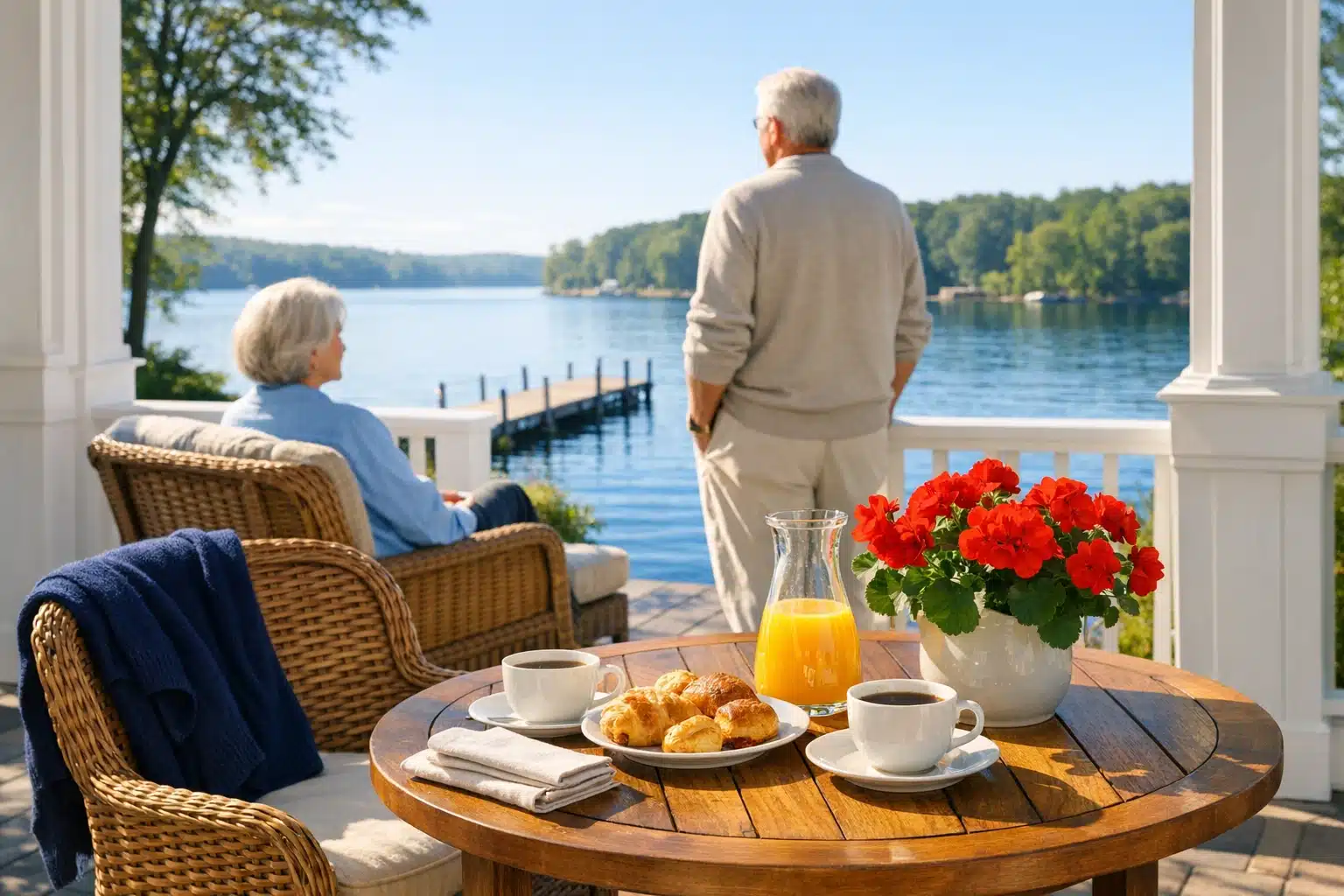
A good weekend trip does not need to be dramatic to matter. Sometimes the memory that lingers is a quiet waterfront breakfast, a train rolling past autumn trees, or the pleasure of discovering a town that feels instantly welcoming. For travelers over 50, that is the real promise of a well-planned getaway: not escape for its own sake, but renewal that fits gracefully into real life.