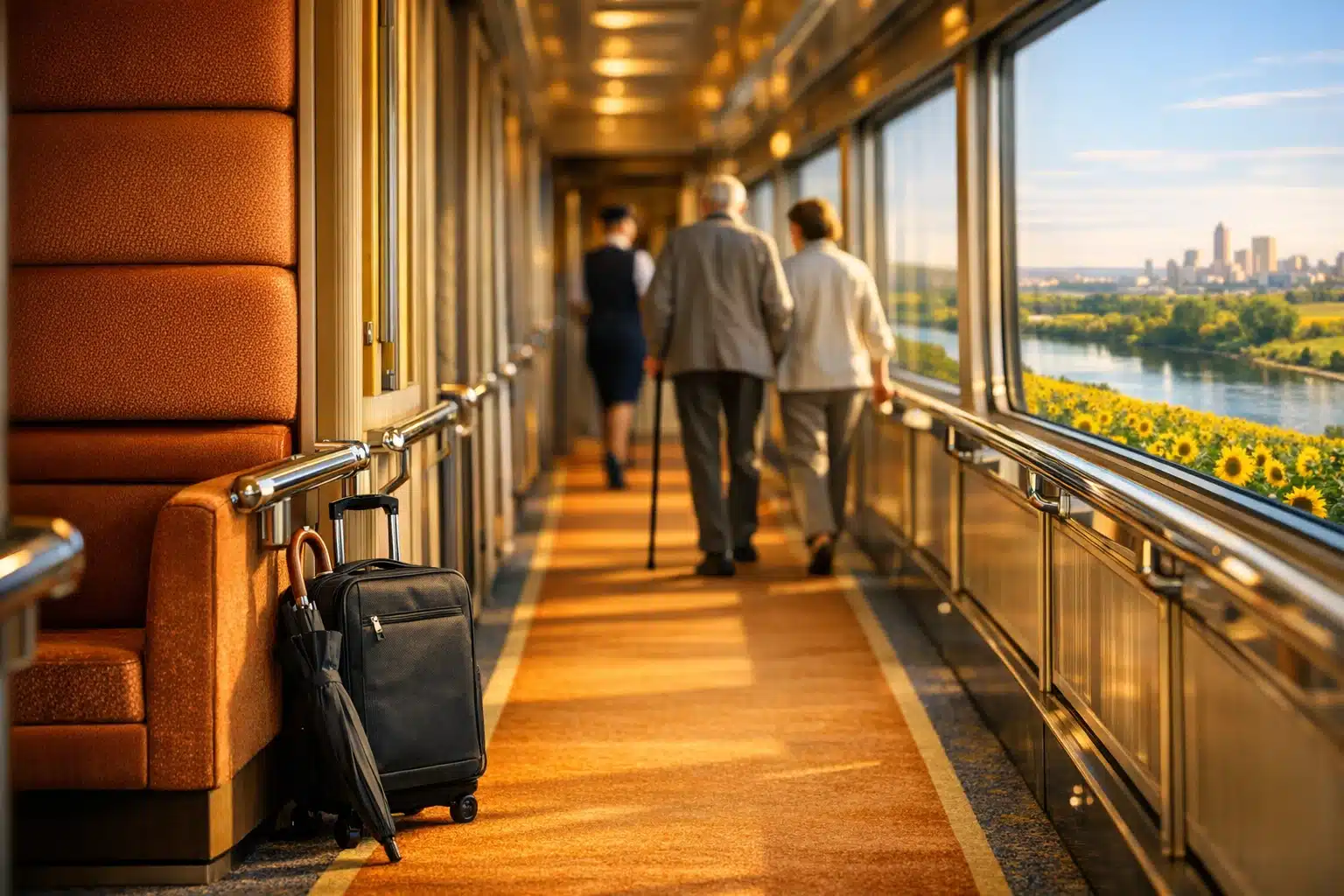
Train Trips for Older Seniors: Comfort, Safety, and Planning Tips
For many older seniors, a train trip offers something modern travel often forgets: room to breathe. There are usually fewer stressful transitions than air travel, more chances to remain seated comfortably, and a far better view than a highway windshield can provide. That slower, steadier rhythm can be especially helpful for travelers managing reduced stamina, mobility concerns, or simple fatigue with crowded terminals. With thoughtful planning, rail travel can be practical, comfortable, and genuinely enjoyable.
Article Outline
This article is organized into five main parts. First, it explains why train travel can suit older seniors particularly well when compared with flying or long car journeys. Second, it covers how to plan and book a trip, including routes, seats, connections, and timing. Third, it looks at comfort and accessibility in stations and onboard the train. Fourth, it focuses on safety, health, and day-of-travel routines that reduce stress. Fifth, it compares different styles of train trips and offers guidance on value, budgeting, and making the experience fit individual needs.
Why Train Travel Can Be a Strong Choice for Older Seniors
Train travel offers several advantages that become more meaningful with age. The first is simplicity of movement. On many rail journeys, passengers can arrive closer to departure time than they would for a flight, avoid lengthy security procedures, and step into a seat that remains theirs for the duration of the trip. That may sound like a small convenience, but for an older traveler with arthritis, back pain, reduced balance, or limited energy, fewer transitions can make a major difference. Instead of standing in multiple lines, removing shoes, waiting at gates, and climbing in and out of shuttle vehicles, the traveler often faces a far more direct sequence: arrive, board, settle in.
The second advantage is physical comfort. Trains generally offer more legroom than economy air travel, and passengers can usually stand up, stretch, and walk short distances during the journey. For older adults, periodic movement can reduce stiffness and improve comfort on longer trips. A car journey, by contrast, may require frequent stops, and the driver cannot fully relax. On a train, nobody in the party has to concentrate on traffic, weather, roadworks, or unfamiliar signage. The landscape simply unfolds beyond the window like a slow-moving film: villages, stations, fields, rivers, old bridges, and city skylines appearing one after another.
Rail travel can also be easier socially and emotionally. Some older seniors are comfortable traveling independently, while others prefer a setting that feels public but not chaotic. Trains often strike that balance. There are staff members nearby, other passengers around, and a clear route from departure to destination. For someone who worries about feeling isolated or overwhelmed, that structure can feel reassuring. It is also easier to share the trip with family or friends because everyone can sit together, talk, read, snack, or simply watch the scenery pass.
There are practical advantages as well:
• stations are often located in town or city centers
• baggage rules may be more flexible than airline restrictions
• scenic travel is part of the experience rather than a side effect
• on many routes, train travel produces lower emissions per passenger than short-haul flying
That does not mean trains are automatically the best option every time. Some stations involve stairs, long platforms, or quick transfers, and rural networks can be limited. Yet when a route is chosen carefully, the benefits are real. For older seniors who value comfort, visibility, calmer pacing, and the chance to travel without the demands of driving, rail can be less like a logistical challenge and more like a journey in the old-fashioned sense of the word.
Planning and Booking a Trip That Matches Energy, Mobility, and Pace
A good train trip for an older senior begins well before departure. Planning is not about overcomplicating the journey; it is about reducing friction. The most important decision is often not the destination but the structure of the route. A direct train is usually the easiest choice, even if it costs slightly more or leaves at a less glamorous hour. One direct ride with a reserved seat is often preferable to a cheaper itinerary that involves multiple changes, unfamiliar platforms, and tight transfer windows. Older travelers frequently benefit from building in extra margins, because travel stress tends to come from rushing rather than distance itself.
Departure time matters too. Early morning departures can be peaceful and less crowded, but they may be difficult for seniors who need more time to get ready, take medication, or travel to the station. Evening services may avoid crowds but can increase fatigue after arrival. Mid-morning departures are often a practical compromise. They allow for a slower start, daylight arrival, and better visibility in stations. Trip length should also be considered honestly. A four-hour scenic ride may feel pleasantly substantial, while an eight-hour journey with several stops may become tiring unless there is a sleeper berth, premium seating, or a planned overnight stay.
When booking, look beyond the fare. Seat position can matter as much as ticket price. Older seniors may prefer:
• a seat near the restroom but not directly beside the door
• a lower-level or easier-access coach where available
• a forward-facing seat to reduce motion discomfort
• a reserved spot near luggage storage
• extra legroom or first-class seating if the budget allows
It is also worth checking station services in advance. Some rail operators and stations offer boarding assistance, wheelchair support, ramps, priority seating guidance, or help with luggage. These services often need to be requested ahead of time. Even if a senior usually travels independently, arranging help can preserve energy for the enjoyable parts of the trip. If hearing or vision is reduced, printed confirmations, large-font itineraries, and a written list of connection times can be just as useful as a smartphone app.
Travel insurance may be sensible for longer or international rail trips, especially when hotels or multiple bookings are involved. Medication should travel in a clearly labeled bag, and essentials should stay in hand luggage rather than a larger case. A careful booking process does not remove every surprise, but it greatly improves the odds that the journey feels manageable. The best plan is often the one that looks a little less ambitious on paper and feels much more comfortable in real life.
Comfort and Accessibility: What to Look for in Stations and Onboard
Accessibility is not a single feature; it is a chain of small details that together determine whether a train trip feels smooth or exhausting. For older seniors, the journey begins at the station entrance, not at the moment the train moves. A station may appear modern and well connected, yet still involve long walks, escalators, unclear signs, or crowded concourses that are difficult to navigate with a cane, walker, or suitcase. This is why it helps to research the departure station and destination station separately. A route can be excellent onboard but awkward at one or both ends.
Useful questions include whether the station has elevators, step-free access, seating near platforms, accessible restrooms, visible staff desks, and electronic boards that are easy to read. Seniors with hearing loss may want to know if gate changes are displayed clearly in writing rather than announced only over loudspeakers. Travelers with reduced vision may benefit from arriving early and asking staff to confirm the correct platform. Even a small uncertainty, such as whether the train divides en route or whether coach numbers are marked far down the platform, can become stressful in a rush.
Once onboard, comfort depends on layout as much as cushioning. A seat with generous padding but poor access to the aisle may not be ideal for someone who needs to stand and stretch. Likewise, a table seat may be excellent for meals and reading but awkward if the leg space is tight. Older seniors often appreciate trains that provide stable grab points, level boarding, luggage storage close to seats, and restrooms large enough to use safely while the train is moving. Overnight trains deserve extra consideration. Some sleepers are charming and efficient, but narrow ladders, compact washrooms, and upper berths may not be suitable for every traveler.
Small comfort choices add up:
• dress in layers because train temperatures can vary
• carry water and easy snacks in case catering is limited
• pack a light shawl, sweater, or travel blanket
• use a neck pillow only if it genuinely improves posture
• bring reading glasses, hearing aid batteries, and chargers in an accessible pouch
There is also the emotional side of comfort. Older seniors do not always need luxury; often they need predictability. A clearly numbered coach, enough time to board, a calm seatmate, and a bag stored securely nearby can transform the tone of the trip. When these details are in place, the train becomes more than transportation. It becomes a moving sitting room with changing scenery outside the window, and that is a rare pleasure in modern travel.
Safety, Health, and Day-of-Travel Habits That Reduce Stress
Safety on a train trip is usually less about dramatic incidents and more about everyday risks that are easy to overlook. For older seniors, falls, dehydration, missed medication, and confusion during transfers are often more realistic concerns than crime. The strongest safety strategy is therefore a calm routine. Rushing is the enemy. Arriving early, keeping documents in one place, and moving steadily rather than quickly can prevent many small problems before they start. If possible, it helps to use luggage with smooth wheels and a size that can be managed without lifting above shoulder height.
Boarding requires particular care. Platform gaps, train steps, and crowded doorways can all become awkward at once. Seniors should not hesitate to ask for assistance from staff or fellow travelers when stepping aboard or placing a bag in storage. Independence is valuable, but so is energy conservation. The same applies during the journey. If the train is in motion, it is wise to hold seatbacks or handrails while walking, especially when entering the restroom or moving between coaches. Shoes with stable soles are a practical choice; slippery fashion is rarely worth the risk on travel days.
Health preparation matters too. Medications should be packed in hand luggage, ideally with a simple written list of names and doses. If a senior has a heart condition, diabetes, mobility limitation, or another ongoing concern, a family member or travel companion should know the essentials. For long journeys, eating lightly but regularly can help maintain comfort and energy. So can drinking water consistently instead of waiting to feel thirsty. Dry carriage air, warm compartments, and distraction from scenery can make dehydration easier than many people expect.
Useful day-of-travel habits include:
• keep tickets, identification, phone, and glasses in the same small pouch
• photograph the platform number and coach details if using a smartphone
• avoid placing valuables in the seat pocket when preparing to leave
• stand up a few minutes before arrival only if necessary and safe
• confirm station name before stepping off, especially on routes with similar place names
Personal security should not be ignored, but it can be managed sensibly. Choose seats in populated areas rather than isolated compartments when traveling alone, keep bags zipped, and be cautious with unsolicited help that seems pushy. Most rail journeys are uneventful, which is exactly the point. With the right habits, the trip feels less like a test of endurance and more like a well-paced day in motion, with risks reduced to a manageable background level.
Choosing the Right Style of Train Trip and Making It Worth the Cost
Not every train journey suits every older senior, and that is where comparison becomes useful. Some travelers want a short scenic outing with lunch in a nearby town. Others want a multi-day rail holiday with hotel stops, sleeping cars, or a flexible pass. The best choice depends on stamina, budget, confidence level, and the kind of experience the traveler actually enjoys. A common mistake is choosing the most ambitious itinerary simply because it sounds memorable. In practice, a modest route with comfortable timing can be more satisfying than a famous route that requires several demanding connections.
Day trips are often the easiest starting point. They allow a senior to test how comfortable train travel feels without the complexity of overnight packing. Regional and intercity services can be ideal for this, especially if they run frequently and serve stations near the town center. Overnight trains save hotel costs and create a sense of adventure, but they are best for travelers who sleep reasonably well in compact spaces. Luxury rail experiences can be attractive because they provide attentive service, inclusive meals, and more spacious surroundings, yet they are rarely necessary for a pleasant journey. Sometimes upgrading only one element, such as choosing first class for a longer leg, delivers most of the comfort without the premium-tour price.
Budgeting deserves realism rather than guesswork. Older seniors should compare:
• standard fare versus senior discount
• direct route versus cheaper route with transfers
• reserved seat versus unreserved travel
• daytime travel plus hotel versus overnight sleeper
• station proximity to accommodation versus lower room rates farther away
It is also smart to consider the hidden cost of fatigue. A bargain ticket that requires a 6 a.m. departure, two platform changes, and a late arrival may save money but spend energy too freely. By contrast, a slightly higher fare for a direct train can buy comfort, confidence, and a far better start to the holiday. Rail passes can be economical for travelers taking multiple journeys in a set period, but for a simple one-route trip, point-to-point tickets may be easier and cheaper.
For older seniors, value is not just about the lowest number on the booking screen. True value means reaching the destination feeling reasonably fresh, well oriented, and still interested in the place you came to see. The right train trip leaves enough energy for the museum, the family visit, the seaside walk, or the quiet dinner after arrival. When the journey itself supports the purpose of the trip, the expense often feels justified.
Conclusion for Older Seniors and the People Who Travel With Them
Train trips can be an excellent option for older seniors because they combine movement with rest, structure with freedom, and practicality with pleasure. The key is not to chase the most dramatic itinerary, but to build a journey around real needs: comfortable timing, manageable stations, sensible luggage, reserved seating, and enough margin to avoid rushing. Seniors traveling alone can benefit from clear planning and station assistance, while relatives and companions can help most by simplifying decisions rather than crowding the day with too many ambitions. A well-chosen rail trip does more than move a person from one place to another. It preserves energy, encourages confidence, and makes travel feel welcoming again.