Guide to Short and Affordable Getaways for People Over 60
Short, affordable getaways can be one of the most practical ways for people over 60 to keep traveling without turning every trip into a costly, exhausting project. A well-chosen two- to four-day break offers a change of scene, social connection, and gentle adventure while staying manageable in both price and pace. With careful planning, it is possible to enjoy comfort, safety, and memorable experiences without rushing from place to place.
Outline: What Makes a Short Getaway Work Well After 60
Before booking anything, it helps to know what a successful short trip actually looks like. For many older travelers, the goal is not to pack ten attractions into two days or chase the lowest possible price at the expense of sleep, convenience, and comfort. The better aim is balance: a destination that feels different from home, a budget that stays under control, and a pace that leaves room to enjoy the hours instead of counting them down. That is where short getaways shine. They can be easier to organize, gentler on the body, and more realistic for people who want a break without a week of packing, spending, and recovering.
This guide is built around five practical parts. First, it explains how to think about short trips strategically. Then it compares different getaway styles, from city breaks to seaside stays and country retreats. After that, it looks closely at money: transportation, lodging, meals, timing, and hidden costs that can quietly push a modest trip beyond its limit. The fourth part focuses on comfort, health, and accessibility, which matter even more when a trip is meant to restore energy instead of drain it. The final section offers sample ideas for affordable two- to four-day escapes.
A useful short getaway usually begins with a few simple filters:
- Travel time should be reasonable, ideally short enough that the journey does not consume the whole trip.
- Total cost matters more than the headline hotel rate, because transport, meals, and local transfers add up quickly.
- The daily pace should match your mobility, sleep habits, and interest level.
- The destination should offer at least one clear reward, such as scenery, culture, food, history, or relaxation.
In practical terms, many people over 60 do especially well with regional travel. A place that is two to four hours away by car or train can feel like a proper break without requiring the logistics of a long-haul holiday. Midweek departures also deserve attention. In many destinations, weekday hotel prices are lower than weekend rates, museums are less crowded, and transport can feel calmer. That means your money often buys more peace, not just more square footage in a room.
Think of this guide as a travel companion with sensible shoes. It is here to help you choose wisely, spend carefully, and enjoy the pleasure of going somewhere new without making the process harder than it needs to be.
Choosing the Right Type of Getaway for Your Interests, Energy, and Budget
Not every short trip is equally suitable for every traveler, and that is especially true after 60, when comfort and pacing can matter as much as the destination itself. A good getaway is not simply cheap or nearby. It should match your energy level, interests, and personal travel style. Someone who loves museums and cafes may enjoy a compact city with good public transport, while another traveler may prefer a quiet coastal town where the main event is a long morning walk and a view of the water. Both can be affordable, but only one may feel right for you.
City breaks are often popular because they offer plenty to do in a small area. Historic districts, cultural sites, guided walks, and indoor attractions can all fit into a two- or three-day schedule. The main advantage is variety. If the weather changes or your energy dips, you can shift from sightseeing to a slow lunch, a gallery, or a scenic bus ride. The main drawback is that city trips can involve more walking, more noise, and sometimes higher hotel prices in central areas. For travelers who want stimulation and convenience, though, a smaller city or regional capital can be an excellent compromise.
Coastal stays offer a different rhythm. Beach towns and harbor communities tend to encourage slower days, and that can make them especially attractive for older adults who want rest more than activity. Outside the peak summer season, these places are often significantly cheaper, and promenades, sea views, and fresh air cost nothing. The trade-off is that some attractions may have reduced hours in the low season, so it is wise to check ahead.
Countryside getaways are another strong option. A rural inn, lake village, or garden town can provide peace, lower accommodation costs, and a welcome break from traffic and crowds. These trips work best when transport is simple and the property itself is comfortable enough that staying in for part of the day feels pleasant rather than limiting.
When comparing trip styles, ask yourself:
- Do I want to explore, rest, or do a bit of both?
- How much walking feels enjoyable, not tiring?
- Will I be happier with nature, history, food, or live events?
- Do I prefer independence, or would a small-group tour reduce stress?
The best answer is rarely the most fashionable destination. It is the one that fits your body, your curiosity, and your wallet at the same time. That is a far better recipe for a satisfying escape than trying to copy someone else’s travel style.
Building a Realistic Budget Without Giving Up Comfort
Affordable travel does not mean uncomfortable travel, and that distinction matters. Many people over 60 are not looking for the absolute lowest price if it means awkward flight times, steep staircases, noisy rooms, or long transfers with luggage. A smart budget focuses on value. In other words, spend where comfort makes a real difference, and save where convenience and enjoyment are not affected very much.
Start by dividing the trip into core cost categories: transport, accommodation, food, local movement, and extras. This sounds obvious, but travelers often focus only on the hotel and forget how quickly the rest can grow. A room that seems inexpensive may be outside town, requiring taxis. A cheap flight may charge extra for baggage, seat selection, or airport transfers. A bargain apartment may need grocery shopping and cooking, which is not every traveler’s idea of a holiday.
For a short trip, transportation often shapes the entire budget. Here is a simple comparison:
-
Driving can be economical for couples or friends sharing costs, especially on regional trips. It also gives flexibility, though fuel, parking, tolls, and fatigue should be counted honestly.
-
Train travel is often comfortable, spacious, and easier on the body than air travel for short distances. The station location may also save money on transfers.
-
Coach or bus travel can be very affordable, but seat comfort and journey length vary widely.
-
Flying may be worthwhile if fares are low and the destination is much farther away, but airport time can make a short break feel less short.
Accommodation is where many travelers can trim costs without sacrificing sleep. Mid-range hotels, guesthouses, and bed-and-breakfast stays often provide better value than luxury properties on a quick trip, because you are paying for a comfortable base rather than resort-level amenities you may not use. Midweek bookings are frequently cheaper than weekends, especially in leisure destinations. Shoulder-season travel, meaning the weeks just before or after peak demand, can also reduce prices while avoiding the worst crowds.
A rough example helps. An affordable two-night regional trip for one person might look like this: transport 60 to 140 in local currency, lodging 180 to 300, meals 50 to 100, local transit and entry fees 30 to 80. That range is not universal, but it shows how quickly the full picture matters more than one headline number.
Look for legitimate savings such as senior fares, museum discounts, rail passes, and free cancellation offers. Just as important, set a daily spending limit for flexible items like snacks, shopping, and spontaneous extras. A budget should not feel like punishment. It should feel like a clear map that lets you enjoy the trip without worrying about what the credit card bill will say when you get home.
Comfort, Health, and Accessibility: The Details That Make a Trip Easier
The older many travelers get, the more they realize that a successful getaway is often built on details that do not appear in glossy brochures. A beautiful destination loses some of its charm if the hotel has no lift, the shower is difficult to use, the nearest pharmacy is far away, or the itinerary leaves no room to rest. Comfort is not a luxury in this context. It is part of good planning, and it often determines whether a short trip feels refreshing or frustrating.
One of the smartest ways to reduce stress is to match the trip to your current, not former, travel habits. If you used to enjoy dawn departures and tightly packed sightseeing days, that does not mean you must still travel that way. Many people over 60 prefer one or two key activities a day with time in between for coffee, a scenic bench, or an unhurried meal. This approach is not boring. It is often the difference between truly experiencing a place and merely passing through it.
Accommodation deserves careful screening. When possible, check for:
- Lift access or ground-floor rooms
- Walk-in showers or grab bars
- Good lighting and firm mattresses
- Quiet surroundings for better sleep
- Proximity to transport, food, and medical services
Mobility needs vary widely, so the right choice depends on the traveler. Some people want a central area where most attractions are reachable on foot. Others prefer a peaceful outer neighborhood with easy taxi access. Neither is automatically better. The key is reducing avoidable strain.
Health preparation also matters, even on a two-day break. Carry enough medication for longer than the planned stay, and keep it in its original packaging when possible. Save important phone numbers, including emergency contacts and travel providers. If you have dietary restrictions or medical conditions, note nearby supermarkets, clinics, or pharmacies before leaving. For travelers with chronic conditions, a short summary of medications and allergies can be useful, especially when crossing borders.
Travel insurance is worth considering even for inexpensive trips, particularly if non-refundable bookings are involved. Policies differ, so compare coverage for medical care, cancellations, and baggage rather than buying on price alone. Also think about pacing the journey itself. A non-stop train ride at a comfortable hour may be a better choice than a cheaper route with multiple changes and long waits.
In the end, accessible travel is not about lowering expectations. It is about designing the trip so that comfort supports enjoyment. That can mean fewer activities, a slightly better room, or a destination with smoother logistics. Those choices may look small on paper, yet they often create the biggest improvement in how the trip actually feels.
Affordable Two- to Four-Day Getaway Ideas That Work in Real Life
Once the planning principles are clear, the fun part begins: choosing a trip that feels both possible and appealing. The best short getaways for people over 60 are often not the most distant or dramatic. They are the ones with manageable travel times, easy daily rhythms, and enough interest to make the journey feel worthwhile. Below are a few practical models that can be adapted to different countries and budgets.
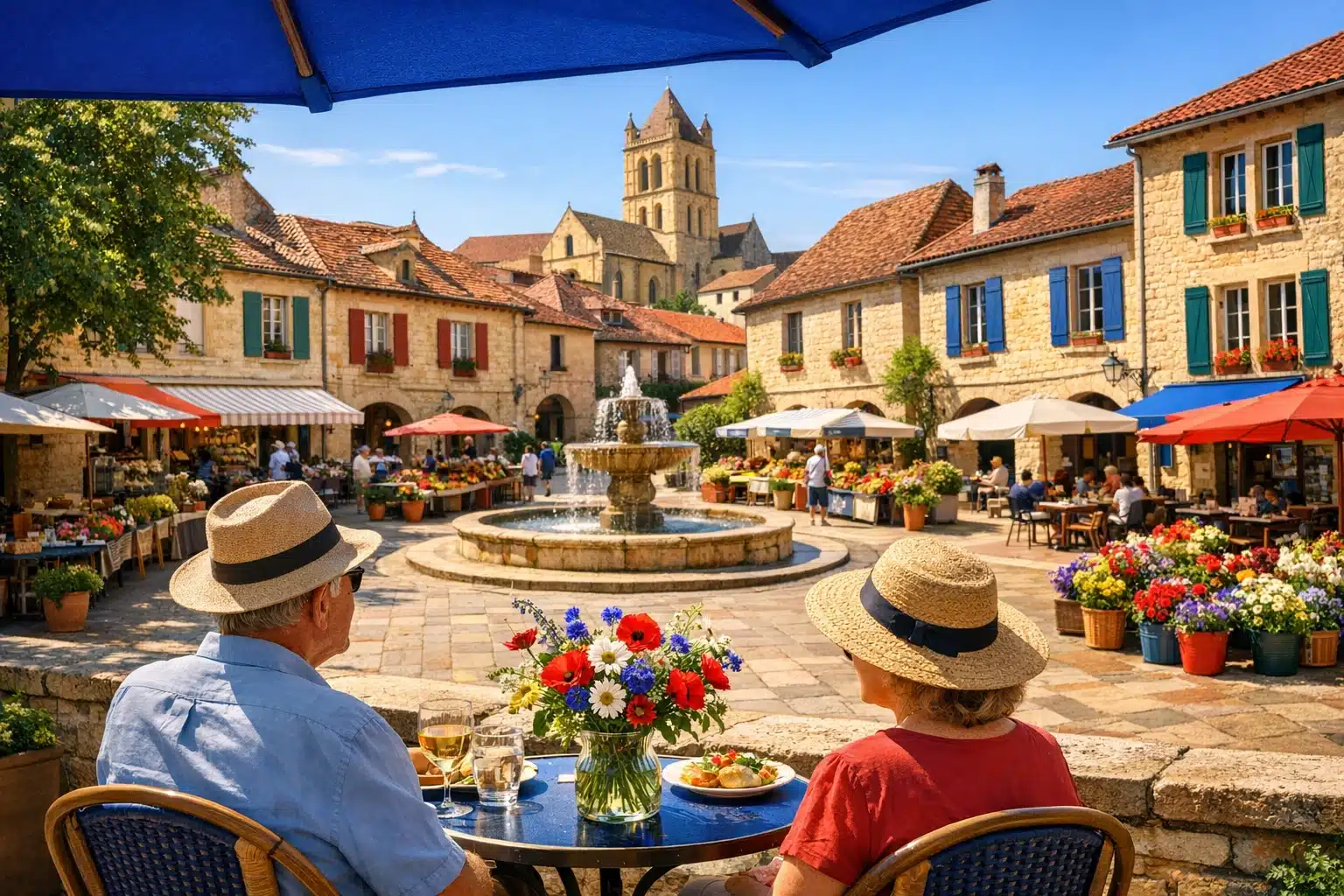
The first is the historic town escape. Picture a small city or market town within two to three hours by train or car. It may offer a pedestrian center, a cathedral or castle, local museums, riverside walks, and cafes with outdoor seating. This kind of trip is ideal for travelers who enjoy culture without needing constant movement. One day can be devoted to the main sights, while another is reserved for a slower pace: a local market, a scenic bus route, or lunch in a quiet square. Costs can stay moderate because smaller towns often have more reasonable hotel rates than major capitals.
The second is the weekday seaside break. This works especially well in spring or early autumn, when rates often drop after the high season. A simple hotel near the promenade can be enough. The main pleasures are low-cost or free: walking by the water, reading with a sea view, visiting a maritime museum, or enjoying local fish or regional dishes in an unfussy restaurant. Compared with a city break, the seaside version usually offers fewer attractions but more calm. For travelers who want rest, that is a strength rather than a limitation.
The third idea is a countryside retreat focused on scenery and comfort. Think of a village near gardens, a lake, a heritage railway, or a national park visitor area. The smartest version of this trip keeps driving or transfers to a minimum. Stay somewhere with a pleasant common room, easy meals nearby, and one or two accessible excursions. This can be a very good choice for couples who want quiet time together or solo travelers who prefer reflection over crowds.
A fourth option is the event-based getaway. Instead of traveling just to be somewhere else, build the trip around one anchor activity such as a concert, theater performance, flower festival, craft fair, or food market. This creates structure without overfilling the schedule. It also helps justify the expense, because the purpose of the trip is clear from the start.
To compare these ideas quickly:
- Historic towns offer variety and walkable culture.
- Coastal breaks favor relaxation and gentle routine.
- Rural stays provide quiet, space, and slower mornings.
- Event trips work well for travelers who enjoy having one memorable focal point.
The most affordable choice is usually the one close enough to reach easily, flexible enough to book midweek, and simple enough that you are not paying for complexity. A good short trip does not need to be grand. Sometimes it only needs a clean room, a pleasant meal, and a new view from the morning window.
Conclusion for Travelers Over 60
Short and affordable getaways can be one of the most rewarding forms of travel for older adults because they combine freedom with realism. You do not need a huge budget, a perfect itinerary, or endless stamina to enjoy time away. What matters most is choosing a destination that suits your pace, building a budget that respects your limits, and making comfort part of the plan from the start. For people over 60, the best trips are often the ones that feel easy to begin, pleasant to experience, and satisfying to remember. When a journey is planned with care, even a modest two-day break can feel like a true change of season.