London to Italy All-Inclusive Rail Holiday Packages: 2026 Guide
Planning a rail holiday from London to Italy in 2026 is no longer just for timetable obsessives or luxury romantics. Package trips now bundle trains, hotels, and practical extras in ways that can turn a complicated international journey into something calm, scenic, and surprisingly manageable. For travelers who want the pleasure of crossing Europe without stitching every ticket together by hand, knowing what these packages really include matters.
Outline: This guide begins by explaining what “all-inclusive” usually means in the rail-holiday market and why 2026 is a useful year to plan ahead. It then compares the main routes from London to Italian cities, looks closely at what is and is not included in package pricing, and examines likely budget ranges with practical value comparisons. The final section is aimed at the people most likely to book these trips, with booking advice and a clear conclusion for first-time rail holiday buyers.
What “All-Inclusive” Usually Means for London to Italy Rail Holidays in 2026
In the world of European rail travel, the phrase “all-inclusive” needs a careful reading. It rarely means the same thing it does in a beach resort brochure, where nearly every meal, drink, and activity may be folded into the headline price. For a London to Italy rail holiday, the term usually points to a package that includes the core structure of the trip: rail tickets, seat reservations where required, accommodation, and sometimes breakfast, transfers, excursions, or local travel cards. The value is less about endless extras and more about friction removal. Someone else has already solved the puzzle of border crossings, connection windows, hotel placement, and ticket compatibility.
That matters because rail travel from the UK to Italy is not a single-train experience. You are normally combining the Channel crossing with onward high-speed services through France, Switzerland, Germany, or northern Italy. A self-booked journey can absolutely work, but package providers appeal to travelers who want the romance of the rails without turning their dining table into a spreadsheet farm. In 2026, that appeal is likely to remain strong for three reasons: travelers continue to look for lower-stress itineraries, scenic transport has regained cultural cachet, and multi-city bookings are easier to manage when one company coordinates the moving parts.
Most packages fall into three broad styles:
– Independent packages, where the operator books transport and hotels but leaves your days mostly free
– Semi-escorted itineraries, which add selected tours, local transfers, or occasional hosted support
– Escorted tours, where a group leader or tour manager oversees much more of the journey
When comparing them, ask not only what is included, but what is protected. If a delay affects your connection chain, does the provider handle rebooking? Are rail reservations already issued for every long-distance segment? Is your hotel close enough to the station to avoid expensive taxi transfers? These questions matter more than flashy phrasing. The finest package is often not the one with the longest list of perks, but the one that quietly removes the most uncertainty.
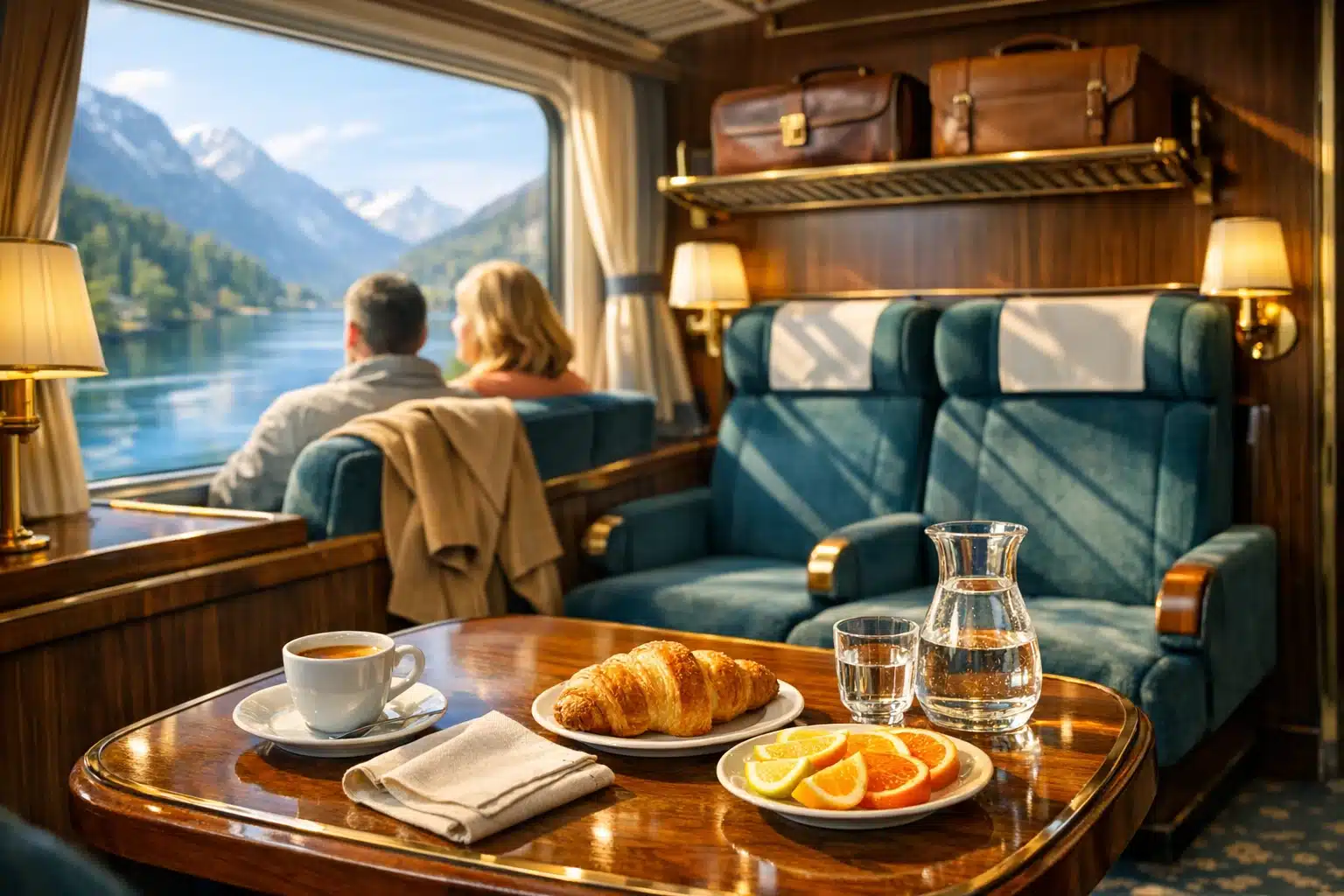
There is also a mood element that package brochures cannot always capture. Flying to Italy gets you there quickly; rail lets the geography unfold. Cities soften into vineyards, plains rise toward mountains, and the trip becomes part of the holiday rather than dead time between airport queues. That is the real relevance of this topic for 2026: more travelers are not merely asking how to reach Italy, but how to enjoy the act of getting there.
Main Routes, Travel Times, and Destination Choices from London to Italy
The practical heart of any London to Italy rail holiday package is the route. While exact timetables for 2026 will be confirmed closer to departure dates, the broad corridor choices are already clear enough to guide planning. Most itineraries begin at London St Pancras International, where travelers typically board a high-speed train to Paris or Brussels. From there, the journey fans outward toward Italy using European high-speed and intercity services. The best route for you depends on three things: your destination, your tolerance for same-day travel, and whether scenery or speed matters more.
For northern Italy, Milan is often the key gateway. Many packages are built around reaching Milan first and then continuing south or east. Turin can also appear as a first stop, especially on itineraries that want to ease travelers into Italy with a shorter onward leg after France. Venice, Florence, and Rome usually require longer travel days or an overnight stop en route. A one-night break in Paris, Lyon, Geneva, Lausanne, Zurich, or Turin is common in higher-comfort packages because it turns a demanding transfer day into a two-part journey.
Typical planning assumptions look like this:
– London to Milan often falls in the broad range of about 10 to 13 hours, depending on connections and route structure
– London to Venice or Florence often stretches into roughly 12 to 15 hours
– London to Rome can easily reach 14 to 17 hours or more if the itinerary is completed in one day
– Adding a stopover usually improves comfort and reduces the stress of tight interchange windows
The route through Switzerland deserves special mention because it is one of the most visually memorable ways to enter Italy. On a clear day, the transition feels almost theatrical: lake water flashes silver, mountain walls seem to lift the horizon, and then the landscape loosens into the softer lines of Lombardy. Packages routed via Switzerland may command a premium, but many travelers feel the scenery alone justifies the difference. By contrast, itineraries routed for speed may favor more direct high-speed connections through France when available, especially for travelers targeting Milan first.
Destination choice also shapes the package logic. Milan suits shorter trips and first-time rail travelers because it is relatively accessible and well connected onward. Venice works brilliantly for travelers who want a strong sense of arrival, since reaching it by train is dramatically different from flying in. Florence suits art-led itineraries and can combine neatly with Tuscany-focused extensions. Rome is ideal for longer holidays but usually benefits from a slower pace or a planned overnight stop. In short, the route is not just transport; it determines the rhythm of the entire holiday.
What Is Usually Included, What Costs Extra, and How Package Types Compare
Once you understand the route, the next task is decoding inclusions. This is where many travelers either spot genuine value or overpay for decorative extras. A well-structured package from London to Italy will usually include the international rail segments, compulsory reservations for high-speed trains, hotel accommodation, and at least some meals, most often breakfast. Beyond that, the range widens considerably. Some packages are lean and practical, while others wrap in transfers, guided walks, lake cruises, museum tickets, or luggage handling.
The most common inclusions are:
– Eurostar or equivalent cross-Channel rail tickets, plus onward international and domestic rail segments
– Reserved seats on trains where reservations are mandatory
– Hotel stays in 3-star, 4-star, or occasionally 5-star properties
– Daily breakfast
– A basic itinerary pack, digital travel documents, and customer support before departure
Premium or more curated packages may add:
– First-class rail seating on some or all sectors
– Private station-to-hotel transfers
– Porterage or luggage assistance at selected properties
– Small-group excursions such as a Venice walking tour, a Lake Como boat trip, or a Florence museum entry
– Local transport passes or airport-style lounge access where available through rail partners
What is often not included is just as important. Lunches and dinners are commonly excluded unless the holiday is fully escorted or positioned as luxury. City tourist taxes are frequently payable directly at the hotel. Travel insurance is often sold separately. Some companies include flexible change terms; others do not. Even in packages advertised with generous language, you may still need to budget for station taxis, premium seat upgrades, attraction entries outside the itinerary, and snacks or meals during long travel days.
Package styles also differ in tone. An entry-level independent package might feel like a well-organized skeleton: transport, a decent hotel, breakfast, and freedom. A comfort-level package adds hand-holding where it counts, such as central hotels, sensible connection timing, and a few curated experiences. A premium itinerary tries to make the transit itself feel elegant, with better rooms, higher rail classes, and less logistical strain. None of these is automatically better. The right choice depends on whether you want autonomy, reassurance, or polish.
A useful comparison test is to ask three blunt questions before booking. First, are the hotels near the stations or in tourist districts that require extra transfers? Second, are seat reservations guaranteed on every long-distance leg? Third, what happens if timetable changes affect the trip after purchase? If a provider answers those clearly, you are looking at a serious holiday product rather than a vague bundle with attractive adjectives attached.
Likely 2026 Price Ranges, Value for Money, and How Packages Compare with DIY Booking
Price is where excitement meets reality, and it is also where careful comparison pays off. Exact 2026 prices will depend on when rail operators release schedules, hotel contracting patterns, fuel and energy costs affecting transport providers, and overall travel demand. Still, based on how similar European rail packages are commonly structured today, travelers can build realistic planning ranges rather than waiting for brochure launches to begin budgeting.
For shorter packages of roughly 4 to 6 nights covering one Italian base city, broad planning estimates might start around the lower four figures per person for twin-share bookings in shoulder season, especially for Milan, Turin, or selected Venice offers. Mid-range packages with better hotels, stronger station locations, and more forgiving connection plans often rise meaningfully above that. Multi-city trips of 7 to 10 nights or more, especially those including Florence and Rome, tend to cost noticeably more because hotel nights, rail sectors, and operational complexity all increase. Premium scenic packages routed for comfort, upgraded rail classes, or high-end accommodation can move into a much higher bracket. These are not fixed quotes, only sensible budgeting ranges for early planning.
Several factors push prices upward:
– Peak summer departures
– Single supplements for solo travelers
– First-class or business-style seating where offered
– Short booking windows, especially close to departure
– Hotels in prime historic centers
– Included excursions or private transfers
Several factors can improve value:
– Traveling in late spring or early autumn rather than school-holiday peaks
– Choosing one or two well-connected cities instead of an overpacked grand tour
– Booking when operators first release package inventory
– Being flexible on departure day
– Accepting a short stopover if it reduces the total fare or improves hotel quality
Compared with booking everything yourself, packages can be either excellent value or merely convenient. DIY booking may save money if you are comfortable monitoring ticket releases, handling separate reservations, and solving disruption problems independently. However, packages can outperform self-booking when they use contracted hotel rates, lock in competitive rail allocations, and provide rebooking support when schedules shift. That last point deserves respect. A missed independent connection across multiple national rail systems can quickly erase the apparent savings of a cheaper booking.
There is also the question of opportunity cost. Time spent comparing dozens of train combinations has value, especially for travelers with limited planning bandwidth. A solid package does not just sell transport and beds; it sells coherence. The best ones give you a journey that feels stitched rather than patched. If your priority is absolute lowest cost, DIY may win. If your priority is clear structure, financial predictability, and fewer moving parts to manage, a package often earns its price.
Who Should Book These Packages in 2026, Smart Booking Tips, and a Final Conclusion
London to Italy all-inclusive rail holiday packages are not aimed at one single traveler type, but they do suit some people especially well. First-time international rail travelers are an obvious fit because the learning curve is reduced without removing the pleasure of the trip. Couples planning a celebratory holiday often like the balance of comfort and adventure. Solo travelers may appreciate the security of one coordinated booking, though they should watch for single supplements. Retirees and slower-travel enthusiasts frequently find rail more enjoyable than air because the journey feels spacious rather than compressed. Families with older children may also value the scenery and city-center arrivals, especially if the children are interested in the trip itself rather than just the destination.
These packages may be less suitable for travelers chasing the absolute cheapest fare, those who want a two-night dash to Rome, or anyone who dislikes long travel days even when they are scenic. Rail is immersive, not instant. That is part of its appeal and part of its limit. The Alps do not flash by beneath a wing; they arrive window by window, and that takes time. If that sounds inviting, you are the target audience. If it sounds exhausting, a flight may be the better tool.
Before booking, use a short checklist:
– Confirm whether the itinerary is fully independent, semi-escorted, or escorted
– Check departure station, transfer counts, and total day lengths
– Ask whether every major rail segment includes reserved seating
– Review hotel locations in relation to stations and city centers
– Verify baggage assumptions, especially if the package involves short platform changes
– Read the policy on schedule changes, cancellations, and missed connections
– Budget separately for meals, hotel taxes, and optional touring unless they are explicitly included
For 2026 specifically, booking earlier is likely to help. Popular departure windows for spring, early summer, and autumn can fill quickly once operators publish schedules and tour companies open inventory. Early planning also gives you more choice over cabin class, hotel category, and city pairing. A Milan and Lake Como itinerary creates a very different holiday from a Venice and Florence route, even if the package length looks similar on paper. Look at the shape of the trip, not just the headline city names.
Conclusion for the target traveler: if you want Italy with a sense of passage, not simply arrival, a rail package from London can be a deeply satisfying way to travel in 2026. The strongest offers are the ones that combine sensible routing, clear inclusions, realistic pacing, and reliable support when plans change. Choose with your priorities in mind, read the fine print without cynicism but with care, and you can end up with something rare in modern travel: a holiday where the movement between places is every bit as memorable as the places themselves.