Weekend Trips for Seniors Over 60: Comfortable Getaway Ideas
Turning a free weekend into a refreshing escape can be especially rewarding after 60, when comfort, pace, and peace of mind matter more than squeezing in every attraction. A well-chosen short trip offers scenery, conversation, and a welcome change of rhythm without the fatigue of a long vacation. From quiet coastal towns to culture-rich small cities, the right getaway can restore energy instead of draining it. This guide explores practical ideas, sensible comparisons, and easy planning habits that help a short break feel smooth, safe, and genuinely enjoyable.
Outline
- What makes a weekend trip senior-friendly, including distance, pace, accessibility, and travel style.
- The best types of weekend getaways for travelers over 60, from seaside towns to small cultural cities.
- How to choose transportation, accommodation, and packing strategies that reduce stress.
- Sample weekend formats, cost-saving ideas, and realistic budget considerations.
- A conclusion focused on choosing meaningful trips that match your comfort level and interests.
1. What Makes a Weekend Trip Senior-Friendly?
A good weekend trip for seniors over 60 is not defined by age alone. It is defined by how well the trip respects the traveler’s energy, mobility, interests, and tolerance for logistics. For many people in this stage of life, the goal is no longer to “fit everything in.” The better goal is to come home feeling refreshed, not as if the weekend turned into a second job. That shift in mindset is important, because it changes every practical decision that follows, from destination choice to departure time.
One of the most useful rules is to keep travel time in proportion to trip length. For a two-night escape, a destination that is two to four hours away by car or train is often ideal. Longer travel is possible, but once airport check-in, transfers, waiting time, and baggage claim are added, a quick break can start to feel strangely compressed. That is why many seniors prefer destinations close enough to reach without rushing. A shorter journey also leaves more room for rest periods, scenic lunches, and those unplanned moments that often become the highlight of the trip.
Comfort and accessibility matter just as much as distance. A charming inn with three flights of narrow stairs may look lovely online, but it may not be the best choice for someone with knee pain, balance concerns, or heavy luggage. Senior-friendly travel often means checking details that younger travelers skip, such as:
- Elevator access or ground-floor rooms
- Walk-in showers and grab bars
- Parking close to the entrance
- Reliable heating or air conditioning
- Restaurants, pharmacies, or clinics nearby
- Quiet rooms with supportive bedding
The method of travel also deserves comparison. Driving offers flexibility, easier luggage handling, and the ability to stop when needed. Train travel, on the other hand, can be more relaxing because it removes parking stress and allows passengers to walk around during the journey. Organized coach trips may appeal to travelers who enjoy social interaction and dislike planning, though the fixed schedule can feel restrictive. There is no universal best option; the right one depends on how much freedom, structure, and physical effort each traveler prefers.
Finally, a senior-friendly weekend has a realistic pace. One museum in the morning, a long lunch, and a waterfront stroll may be far more enjoyable than three attractions before noon. A slower itinerary leaves room for comfort, conversation, and spontaneity. In travel, as in good music, the pauses can matter as much as the notes.
2. The Best Types of Weekend Getaways for Seniors Over 60
The best weekend trips for seniors are often the ones that combine easy logistics with a strong sense of place. A destination does not need to be remote or exotic to feel memorable. In fact, many of the most satisfying short breaks happen in nearby regions that offer beauty, good food, and enough variety to feel interesting without becoming demanding. For travelers over 60, several getaway styles stand out because they balance comfort and enjoyment particularly well.
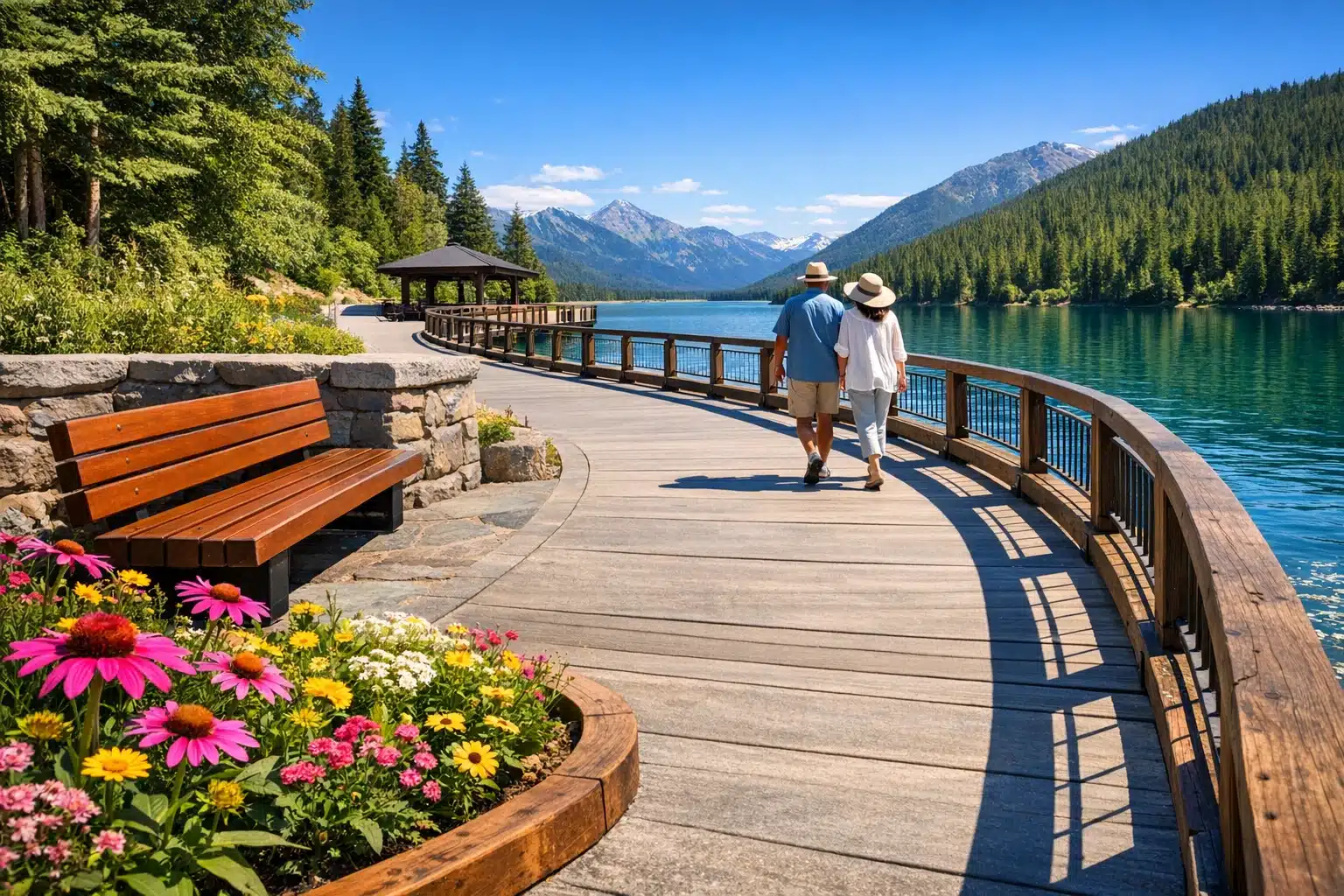
Seaside towns and lake communities are a classic choice. They offer calm scenery, fresh air, and activities that can be enjoyed at different energy levels. A traveler who wants a gentle pace can enjoy a waterside lunch, a harbor walk, or a sunset bench with a cup of tea. Someone feeling more active might add a boat tour, a local market, or a short coastal trail. These destinations tend to be especially appealing in spring and early autumn, when temperatures are moderate and crowds are smaller. If the week has felt like a hallway of errands, a sea breeze can feel like someone quietly opening every window in the house.
Historic small cities are another excellent option. They often offer compact centers, museums, cathedrals, theaters, public gardens, and restaurants within manageable distances. Compared with major capitals, smaller cities usually have lower noise levels, simpler navigation, and shorter waiting times at attractions. For seniors who enjoy culture but do not want the intensity of a big metropolitan weekend, this can be the sweet spot. A train station near the center is an added bonus, since it reduces the need for taxis or long walks with bags.
Countryside inns, spa towns, and rural retreats appeal to travelers who want deep rest. These places trade busy schedules for gardens, scenic drives, quiet reading corners, and slow meals. They are well suited to couples celebrating an anniversary, friends taking a restorative break, or solo travelers who want peace more than activity. The comparison here is simple: a city weekend stimulates, while a country weekend settles. Neither is better, but they serve different moods.
Nature gateways can also work well, provided accessibility is carefully checked. Many national parks, botanical gardens, and scenic reserves now offer paved paths, shuttle services, visitor centers, and lookout points that do not require strenuous hiking. This makes nature travel far more inclusive than many people assume. Travelers should still research terrain, restroom availability, and weather conditions before booking.
In practical terms, the most senior-friendly weekend styles often include:
- Coastal towns with flat promenades and boat tours
- Historic cities with compact centers and cultural attractions
- Rural inns with on-site dining and quiet surroundings
- Spa destinations focused on relaxation and wellness
- Accessible nature areas with easy trails and scenic drives
The right choice depends less on trendiness and more on temperament. Some travelers feel restored by galleries and cafés, while others want birdsong, long breakfasts, and absolutely no agenda. The good news is that weekend travel after 60 can be wonderfully adaptable. It can be social or solitary, lively or peaceful, structured or loose. The only real requirement is that it should fit the traveler, not the other way around.
3. Choosing Transportation, Accommodation, and Packing Strategies That Reduce Stress
Even the loveliest destination can feel inconvenient if the travel arrangements are awkward. That is why successful weekend trips for seniors over 60 often depend less on the postcard image and more on the practical details behind it. Comfortable transport, well-located lodging, and thoughtful packing can dramatically improve the entire experience. Small decisions made before departure often prevent large frustrations later.
Transportation should be chosen with honesty, not optimism. If long driving days leave you stiff and tired, a train may be better than a car. If station changes and platform stairs sound tiring, a direct drive might be the calmer option. Flying can still make sense for certain routes, especially when visiting family or reaching a favorite destination quickly, but for a short weekend it is worth remembering that airports add hidden time. Security lines, early arrival, boarding, transfers, and baggage collection can turn a one-hour flight into a half-day process.
Here is a simple comparison many seniors find useful:
- Car: flexible, easy for luggage, ideal for rural areas, but can involve traffic and driver fatigue
- Train: spacious, restful, often central arrival points, but schedules may be less flexible
- Coach tour: minimal planning and social atmosphere, but limited independence
- Flight: fastest over long distances, but often least efficient for nearby weekend breaks
Accommodation deserves equal care. The most senior-friendly hotel is not necessarily the most luxurious one. Often, the best choice is the property that removes effort. A room near an elevator, breakfast on site, clear signage, good lighting, quiet hours, and helpful staff can matter more than a rooftop bar or designer furniture. Reading recent guest reviews is especially valuable because they reveal things official descriptions may not emphasize, such as noisy hallways, difficult parking, poor mattress quality, or confusing check-in systems.
Location is another major factor. Staying in the town center may cost a bit more, but it can save money and energy on taxis, parking, and extra walking. Likewise, a hotel next to the waterfront, theater district, or main square can make the weekend feel fluid instead of fragmented. For travelers with medical considerations, it is wise to note the nearest pharmacy, urgent care center, or hospital in advance. Most trips go smoothly, but peace of mind has real value.
Packing should support comfort rather than prepare for every imaginable scenario. A weekend bag works best when it is light, organized, and easy to handle. Useful items often include:
- Prescription medicines in original containers
- A written medication list and emergency contacts
- Comfortable walking shoes with reliable grip
- Layers for changing temperatures
- Phone charger and portable battery pack
- Printed confirmations in case phone service fails
- A reusable water bottle and a few easy snacks
For travelers who use glasses, hearing aids, walking poles, or other everyday aids, bringing backups or spare batteries can make a big difference. Weekend travel becomes smoother when the basics are handled so well that they fade into the background. Then the focus can return to what the trip is really for: enjoyment, not endurance.
4. Sample Weekend Formats, Budget Considerations, and Smart Ways to Save
A weekend trip becomes easier to plan when you can picture how the time will actually unfold. Many seniors benefit from simple, well-balanced itineraries that leave room for both activity and rest. Instead of chasing a packed schedule, the most satisfying format often includes one main outing per half day, good meals, and enough downtime to avoid feeling rushed. Below are three sample weekend styles that work especially well for travelers over 60.
The first is the coastal reset. Leave Friday morning or early afternoon, check into a hotel with sea views or easy promenade access, and spend the first evening on a gentle walk followed by dinner nearby. Saturday might include a harbor cruise, a local history museum, and a long lunch with time to rest before sunset. Sunday can be reserved for a scenic breakfast and a slow drive home. This type of trip usually suits travelers who value calm scenery and level walking routes.
The second is the cultural city break. Arrive by train if possible, stay near the historic center, and focus on two or three attractions rather than an exhausting checklist. Friday can be used for settling in and enjoying a relaxed dinner. Saturday might include a museum in the morning, a guided city tour in the afternoon, and perhaps a concert or theater performance in the evening. Sunday can be kept light with a café breakfast, a public garden, and one final stop before departure. This format works well for seniors who enjoy art, architecture, and people-watching without the stress of a large capital city.
The third is the countryside retreat. This is the answer for anyone whose ideal weekend includes silence, fresh air, and fewer clocks. A rural inn, vineyard stay, or spa hotel can provide a deeply restorative atmosphere. Activities might include a scenic drive, a short accessible trail, afternoon tea, and perhaps a massage or thermal bath if available. Compared with city travel, the country option often trades variety for peace, which many travelers find especially valuable after a busy month.
Budget matters, of course, and weekend trips can range from modest to indulgent. In many destinations, transport and accommodation make up the largest share of the cost, while meals, parking, attraction tickets, and tips are the usual secondary expenses. A city-center hotel may cost more per night but save money on transport. A resort package may seem expensive at first glance but include breakfast, parking, or access to facilities that would otherwise be added separately.
Smart ways to save include:
- Travel during shoulder season, when prices are lower and crowds are lighter
- Look for senior rail fares, museum discounts, and matinee tickets
- Book direct with hotels and ask about accessible rooms or package deals
- Choose one strong paid activity instead of several rushed attractions
- Avoid hidden costs such as resort fees, parking charges, and cancellation penalties
The best budget is not always the smallest one. It is the one that pays for ease where ease matters most. A slightly better room, a direct train, or a hotel near the center can turn a merely acceptable trip into a genuinely enjoyable one. In weekend travel, convenience is often worth more than excess.
5. Conclusion: Travel Well, Not Fast
For seniors over 60, the ideal weekend trip is rarely about distance, bragging rights, or ticking off landmarks at top speed. It is about choosing a break that fits your pace, supports your comfort, and gives you something valuable in return, whether that is rest, beauty, conversation, or a little renewed spark. A short journey can still feel rich when it is planned thoughtfully. In many cases, it feels richer precisely because it is shorter and more focused.
The most useful lesson is simple: comfort is not a compromise. It is part of good travel design. A direct route, a supportive mattress, an easy breakfast, and one memorable outing can create a far better weekend than an overstuffed itinerary filled with small inconveniences. Travelers over 60 often know this instinctively, and it is worth trusting that instinct. There is no prize for coming home exhausted.
When deciding on your next getaway, it helps to ask a few practical questions. Do you want scenery or culture? Quiet or stimulation? Independent driving or a more relaxed rail journey? Flat walking routes or a destination where most enjoyment happens from a terrace, spa, or scenic viewpoint? The clearer the answers, the easier it becomes to choose a weekend that feels rewarding rather than complicated.
It also helps to remember that a successful trip is not measured only by activity. Sometimes the lasting memory is a sunrise over the water, a conversation at breakfast, the sound of church bells in a small square, or the deeply satisfying feeling of having nowhere urgent to be. Travel after 60 can have a special quality because it is often less about proving something and more about experiencing something fully.
If you are planning your next escape, start small and start wisely. Pick a destination within comfortable reach, book accommodation that truly suits your needs, and leave enough empty space in the schedule for the weekend to breathe. That is often where the pleasure lives. The best weekend trips for seniors over 60 are not the busiest ones. They are the ones that let you return home lighter, steadier, and already thinking about where you might like to go next.