Air Conditioners Without an Outdoor Unit: Prices in 2026
In 2026, air conditioners without an outdoor unit are drawing attention from apartment owners, renovators, and anyone living where façade changes are restricted. They promise cleaner exterior lines and easier compliance with heritage or condo rules, yet their price can surprise buyers who expect them to sit close to portable models. Understanding the full cost means looking beyond the sticker to installation, efficiency, noise, and long-term use. This guide breaks the topic into practical steps so you can judge whether the convenience is worth the spend.
1. Outline and Basics: What an Air Conditioner Without an Outdoor Unit Actually Is
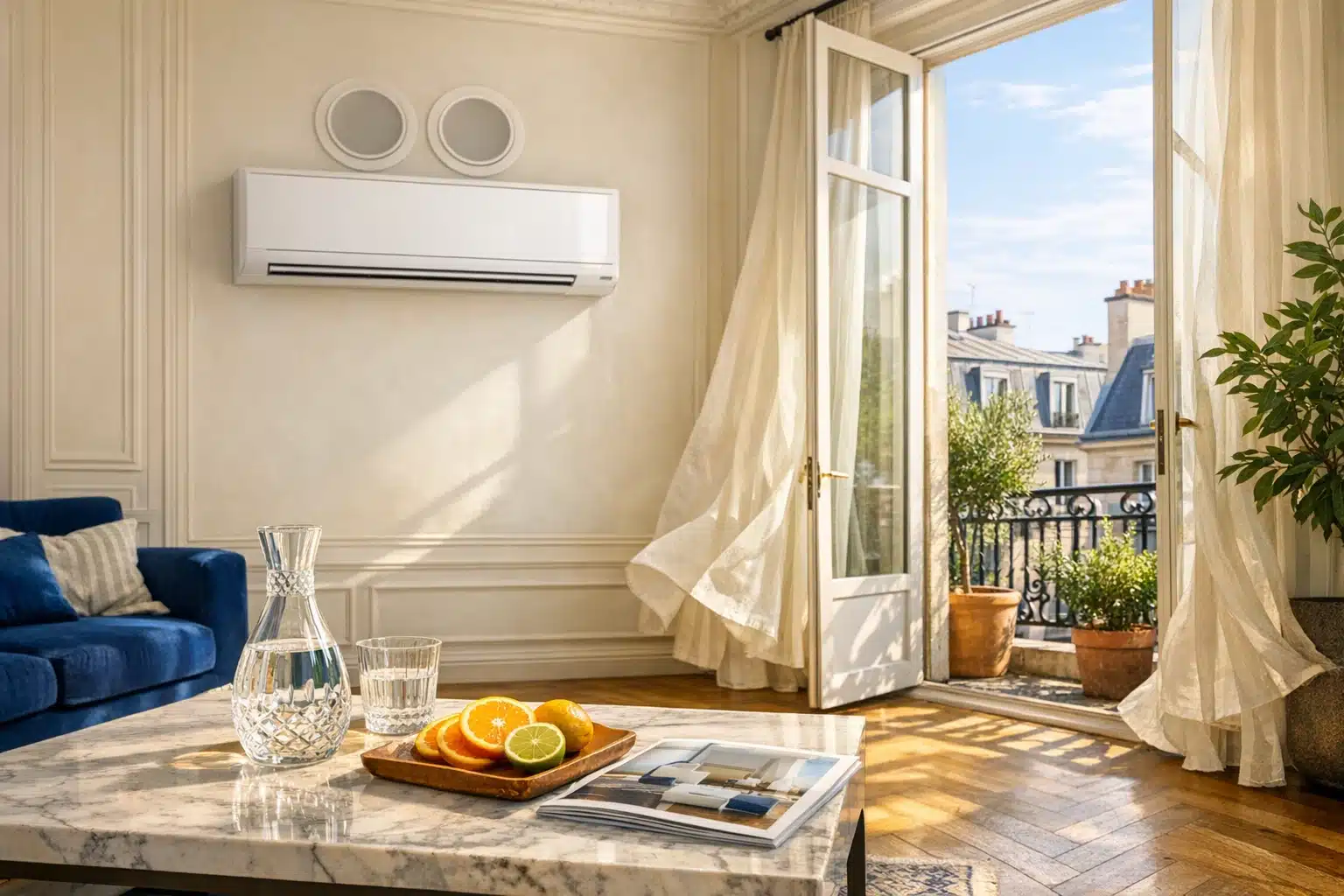
Before comparing prices in 2026, it helps to define the product clearly. In most cases, an air conditioner without an outdoor unit is a fixed monoblock system. Unlike a standard split air conditioner, it does not place a separate condenser box outside the building. Instead, the main components stay indoors, while the unit exchanges air through wall openings, usually two circular ducts. That design is the whole reason these models attract interest: they can cool a room without adding a visible compressor to the balcony, roof, or exterior wall.
At first glance, this category can feel crowded with lookalikes, so here is a simple outline of what this article covers:
- What these systems are and how they differ from portable and split models
- Typical 2026 price bands for entry-level, mid-range, and premium units
- Installation costs and the hidden items that reshape the final bill
- How to judge value through efficiency, noise, room size, and long-term use
- Which buyers are likely to benefit most from choosing one
That distinction matters because many people accidentally compare three different products as if they were one. A portable air conditioner is cheaper and requires no wall drilling, but it usually cools less effectively and often runs louder. A split air conditioner is often more efficient and sometimes cheaper on a total performance-per-euro basis, yet it needs that outdoor condenser many apartments do not allow. The no-outdoor-unit model sits in the middle: more permanent and refined than a portable unit, but more constrained than a full split system.
In 2026, these systems remain especially relevant in dense urban housing. Buyers are not only chasing cool air; they are navigating property rules, design limits, neighbor concerns, and building preservation requirements. A sleek indoor monoblock can become a practical compromise where a standard split system is simply not an option. That does not mean it is automatically the cheapest path. Think of it less as a bargain shortcut and more as a specialist solution for tricky spaces. When the building says “no box outside,” this product category moves from niche curiosity to serious contender.
2. Air Conditioners Without an Outdoor Unit Price in 2026: Typical Ranges and What Drives Them
The central question is price, and in 2026 the honest answer is that these systems are rarely cheap. For the unit alone, buyers commonly see entry-level models starting around €900 to €1,500. Mid-range products with better inverter control, quieter operation, and stronger efficiency often sit between €1,500 and €2,500. Premium versions, especially those with heating capability, higher cooling output, smarter controls, or more polished industrial design, can move into the €2,500 to €4,000 range. In some high-spec cases, the final figure can climb further, particularly when the brand positions the product as a design-led solution for premium interiors.
Room size affects pricing in a straightforward way. Smaller units for bedrooms, compact offices, or studios usually cost less because they offer lower cooling capacity, often in the 2.0 to 2.5 kW range. Units intended for larger living rooms, open-plan areas, or sun-exposed spaces often sit around 2.8 to 3.5 kW or more, and that increase in power usually pulls the price upward. Added features matter as well. Buyers in 2026 are often paying extra for:
- Inverter compressors for smoother temperature control
- Heat pump mode for shoulder-season heating
- Wi-Fi control and app scheduling
- Low-noise night settings
- Improved filters for dust and basic air cleaning
- Designer finishes that blend with modern interiors
It is also important to compare these units with alternatives. Portable air conditioners can still cost far less, often a few hundred euros, but they are not equivalent products in comfort, noise, or efficiency. Standard split systems can sometimes deliver better performance for similar or lower total equipment cost, yet their use depends on having permission and space for an outdoor unit. This is why no-outdoor-unit air conditioners often feel expensive on paper: the buyer is not just paying for cooling output, but also for architectural flexibility.
For a realistic 2026 budget, many homeowners should think in project terms rather than sticker price alone. A modestly priced unit may still become a mid-tier purchase after installation, while a premium model in a difficult wall can turn into a major home-improvement expense. A sensible rule of thumb is to separate the budget into two boxes: equipment and all the work required to make it operate well. Only then does the price picture stop looking misleading.
3. Installation, Labor, and Hidden Costs: Why the Final Bill Can Change Fast
If the unit price is the headline, installation is the plot twist. Air conditioners without an outdoor unit may look simpler than split systems, but they still need proper fitting. In most cases, the installer must create one or two wall penetrations for airflow, mount the unit securely, confirm that the structure can support it, and ensure safe electrical connection. That work is often straightforward in a modern masonry wall with easy access. It becomes more expensive when the wall is thick, reinforced, difficult to reach, or governed by strict building rules.
In 2026, a basic installation may add roughly €300 to €800 in favorable conditions, but more complex jobs can easily move beyond €1,000. For older buildings, corner placements, unusual wall materials, or locations requiring special drilling equipment, total labor can rise further. Buyers should also remember that “installation included” offers do not always include every necessary item. Some quotes cover the wall mounting and standard holes, yet leave out electrical upgrades, cosmetic finishing, condensate management, or permit-related work.
Here are some common hidden or overlooked costs:
- Site inspection or pre-installation survey
- Core drilling through thick concrete or stone walls
- Exterior grilles, weather covers, and finishing trims
- Electrical circuit upgrades if the existing line is inadequate
- Scaffolding or lift access for hard-to-reach façades
- Condo, landlord, or heritage approval paperwork
- Noise or vibration mitigation materials
- Maintenance visits, filter replacement, and eventual repair access
Another point that catches buyers off guard is repair complexity. Because the system contains more major components indoors than a split system does, service work may require a technician familiar with this specific category. That does not mean the technology is unreliable, but it does mean buyers should check spare parts, warranty length, and local service availability before purchase. A slightly cheaper unit can become the expensive choice if support is weak.
This is where the budget conversation becomes real. A unit advertised at €1,400 can become a €2,200 project after drilling, electrical work, and finishing. A premium model in a sensitive building can rise from expensive to eye-watering once approvals and specialist labor enter the scene. The lesson is simple: ask for an itemized quote. Cooling, like renovation, rarely gets cheaper when important details are left to imagination.
4. Comparing Value in 2026: Efficiency, Noise, Performance, and Long-Term Costs
Price matters, but value matters more. A low upfront figure can lose its appeal if the unit is noisy, inefficient, or too weak for the room. In 2026, buyers are increasingly looking beyond the purchase invoice because electricity costs, comfort expectations, and work-from-home habits all make day-to-day performance more visible. An air conditioner without an outdoor unit should be judged on how it behaves during long summer afternoons, not just on how neat it looks in a showroom.
Efficiency is one of the most important comparison points. Fixed monoblock systems can be respectable performers, especially inverter models sized correctly for the room, but they often do not match the best split systems on energy efficiency. That means you should examine the seasonal efficiency ratings, cooling capacity, and recommended room size carefully. Oversizing can waste money, while undersizing leads to long operating cycles and disappointing comfort. A unit that struggles in a hot west-facing room may cost less to buy, yet more to run while delivering weaker results.
Noise is another key issue. Because the compressor remains inside the home rather than outside, no-outdoor-unit systems can be more noticeable acoustically than a split unit. Manufacturers have improved this significantly, and quieter 2026 models are better than older generations, but buyers should still compare decibel ratings for both normal and night modes. For bedrooms, studies, and media rooms, that detail is not minor. It shapes whether the unit feels like a helper or a roommate who never stops clearing its throat.
To compare value sensibly, focus on these factors:
- Cooling output matched to room volume and sun exposure
- Seasonal efficiency rather than peak claims alone
- Indoor noise at low and medium fan speeds
- Heating mode if you want year-round use
- Filter access and maintenance simplicity
- Brand support, warranty terms, and local installer familiarity
These systems make the most sense when exterior installation is blocked, when aesthetics matter, or when a buyer wants a fixed solution that is cleaner and usually more capable than a portable AC. They make less sense when the goal is pure lowest cost, ultra-quiet operation, or cooling several larger rooms. In those cases, a standard split system or another whole-home strategy may deliver better long-term value. In short, the best 2026 purchase is not necessarily the least expensive box. It is the unit that fits the room, the building, and the life happening inside it.
5. Conclusion: Who Should Buy One in 2026 and How to Budget Wisely
For the right buyer, an air conditioner without an outdoor unit can be a smart, elegant answer to a stubborn problem. It is especially relevant for apartment owners who cannot install a visible condenser, landlords updating compact rentals, renovators working within heritage restrictions, and homeowners who dislike the visual impact of conventional outdoor equipment. In those situations, the price premium in 2026 often reflects access to a solution that would otherwise be unavailable. When the building limits your options, flexibility itself becomes part of the product.
The key takeaway is that the 2026 price conversation should start with total project cost, not with the catalog number printed next to the unit. A realistic budget often lands somewhere from roughly €1,300 at the low practical end to €4,000 or more for stronger, quieter, or more design-oriented installations. That does not mean every buyer should stretch toward the premium tier. It means every buyer should balance capacity, noise, efficiency, installation complexity, and support. A cheaper machine in the wrong room can feel costly every single evening it fails to cool properly.
If you are trying to decide quickly, this simplified guide can help:
- Choose this category if exterior units are prohibited or strongly discouraged
- Consider it if you want a fixed system that looks cleaner than a portable AC
- Be cautious if silence is your highest priority, especially for bedrooms
- Compare alternatives if you can legally install a split system at your property
- Ask for an itemized quote before committing to any advertised “from” price
For target buyers, the smartest move in 2026 is to treat this as a specialist home-comfort purchase rather than an impulse appliance buy. Measure the room carefully, check façade rules early, compare at least two installation quotes, and read the acoustic and efficiency specs with patience. Done well, the result can feel quietly luxurious: cool air, no outdoor box, and fewer arguments with building regulations. Done badly, it becomes an expensive compromise. The difference lies in planning, not marketing. That is why understanding prices in context is more useful than chasing the lowest number on the page.