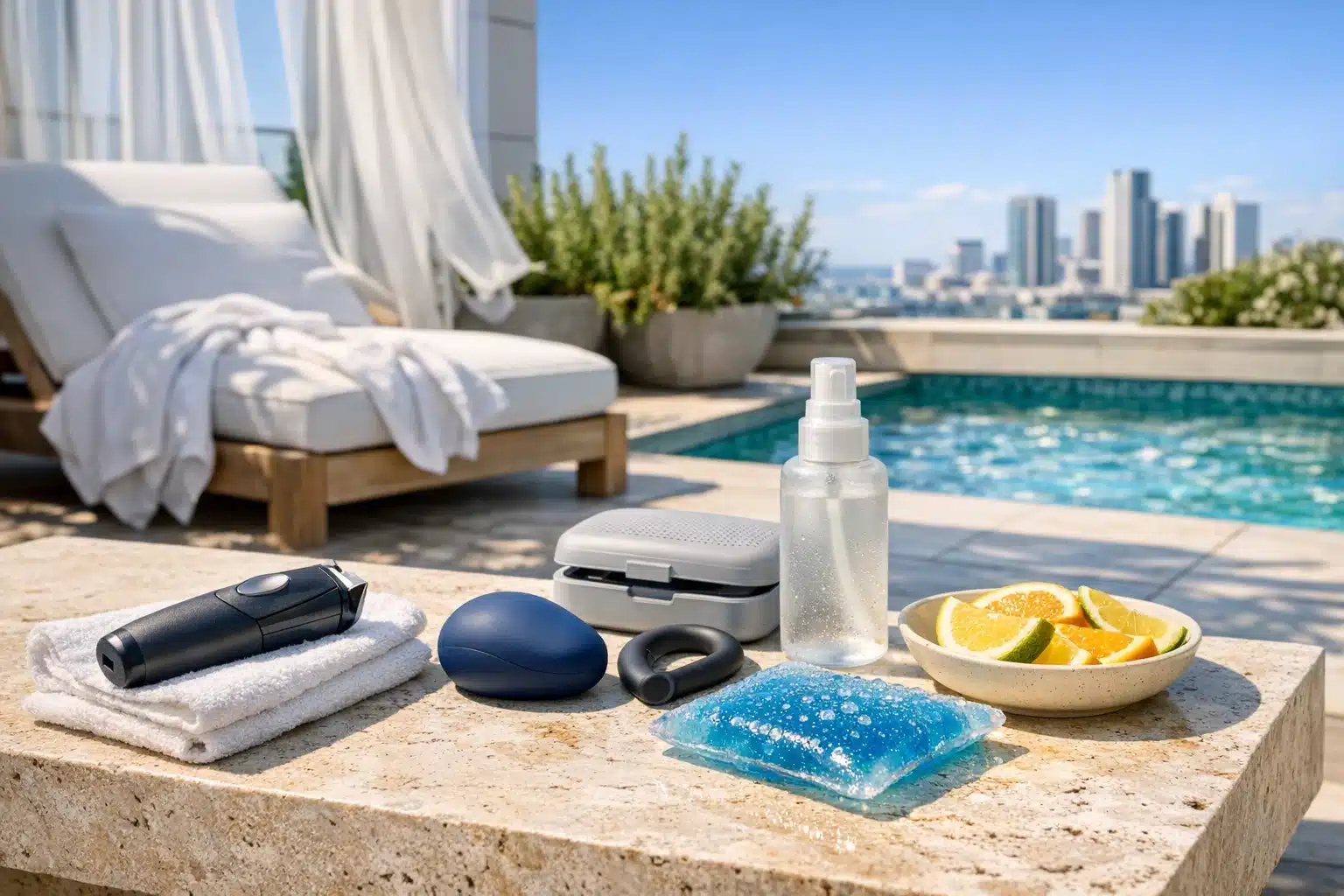
A Seasonal Guide to Male Intimate Health Devices
Male intimate health often gets pushed behind work, exercise, and the quiet assumption that men should already know what to buy and when to use it. In reality, seasons change skin sensitivity, sweat levels, circulation, laundry habits, travel schedules, and overall comfort, so a device that feels ideal in winter may be annoying in peak summer. This guide looks at practical options through a health-first lens, helping readers compare categories, materials, features, and care routines without hype.
1. Outline and Why Seasonality Matters More Than Most Men Expect
Before diving into categories, it helps to set a clear outline for the article. The guide moves through five practical stages so the topic feels organized rather than awkward. Here is the roadmap:
• what counts as a male intimate health device and why seasonal conditions affect usefulness
• hygiene and grooming tools that help with comfort, odor control, and skin maintenance
• supportive or therapeutic devices linked to circulation, pelvic health, and recovery
• adult wellness devices, including how to compare them without guessing
• a final seasonal buying and care checklist focused on real-life routines
That structure matters because “male intimate health device” is a broad label. Some products are almost medical in purpose, such as vacuum erection devices used as a non-drug option for erectile dysfunction under clinical guidance. Others are clearly wellness-oriented, like body-safe massagers or app-connected devices designed for relaxation and intimate comfort. Then there are everyday tools that many men forget belong in the same conversation, including trimmers, cleansing systems, heated comfort devices, and pelvic floor training aids. Putting all of these into one guide makes sense because most buying decisions are not made in a clinic. They are made at home, often late at night, while comparing reviews and trying to decode which features are useful and which are just shiny packaging.
Seasonality adds another layer. Summer increases sweat, friction, and the need for fast cleaning. Winter often brings dry skin, tighter clothing layers, and lower circulation comfort for some men. Travel seasons raise questions about battery life, noise, storage, and whether a device is discreet enough for shared spaces. Allergy seasons may influence lubricant choice, cleaning routines, and sensitivity to fragranced washes or cheap materials. A practical guide must acknowledge those shifts instead of pretending one recommendation fits every month of the year.
Think of this topic like choosing shoes for weather. The expensive pair is not automatically the right pair, and the most advertised option may be wrong for your body, your skin, your schedule, or your goals. The sections ahead aim to bring that same grounded thinking to intimate health devices so readers can make better, calmer decisions.
2. Hygiene and Grooming Devices: The Quiet Foundation of Intimate Health
When men think about intimate health devices, they often skip straight to advanced tools, but the smartest place to start is hygiene and grooming. These are the products that affect daily comfort most consistently, especially during warm or humid months. Electric body groomers, compact trimmers, cleansing devices designed for sensitive skin, and UV or ventilated storage cases all sit closer to preventive care than novelty. They reduce the small, annoying problems that can build into bigger discomfort, such as trapped sweat, friction, ingrown hairs, and irritation caused by poor cleaning habits.
Seasonal conditions change how these tools perform. In summer, sweat and tighter waistbands can make body hair feel less manageable, so men often prefer waterproof trimmers that are easy to rinse and can be used in the shower. In colder months, the issue is often different: dry skin becomes more reactive, so a trimmer with adjustable guards and skin-protection features may matter more than maximum cutting power. The best comparison point is not “closest shave.” It is “least irritation for your routine.” For many users, that is a major difference.
There are a few useful features worth comparing closely:
• waterproof or water-resistant design for easier cleaning
• blade guards or skin-safe trimming heads
• cordless runtime and charging speed
• noise level for shared homes or travel
• material quality in handles and heads, especially if the device is used frequently
Another overlooked area is cleaning support. A device that is simple to sanitize is usually better than one with ten attachments you never fully dry. Moisture trapped in storage can shorten product life and encourage odor or residue. Men with sensitive skin may also benefit from fragrance-free cleansers and from avoiding harsh soaps on intimate areas, since aggressive washing can worsen dryness and irritation. That matters even more in winter, when indoor heating can leave skin feeling stripped.
A sensible comparison is between a premium trimmer and a mid-range one. The premium option may offer better waterproof sealing, longer battery life, stronger motor consistency, and less tugging. The mid-range option may still work well if used carefully, cleaned regularly, and paired with good technique. In other words, price improves convenience more reliably than it guarantees perfect results. For readers building a routine this season, grooming devices are often the most useful first purchase because they support comfort every single week, not just on rare occasions.
3. Therapeutic and Supportive Devices: Circulation, Pelvic Health, and Recovery
Once the basics are covered, the next category is more functional: devices aimed at support, recovery, or symptom management. This group can include vacuum erection devices, pelvic floor biofeedback tools, warm or cool therapy products for the groin or pelvic region, and certain clinician-recommended recovery aids used after procedures or during rehabilitation. These products deserve a careful tone because they sit near the line between consumer wellness and medical use. Some are backed by long-standing clinical practice, while others are best treated as supportive rather than transformative.
Vacuum erection devices are one of the clearest examples. They are a recognized non-drug option for some men with erectile dysfunction and are also discussed in certain recovery settings after prostate-related treatment. Their value is practical: they can support blood flow mechanically rather than pharmacologically. That said, they are not a casual gadget for everyone. Men taking blood thinners, those with bleeding disorders, or anyone experiencing unexplained pain should consult a clinician before use. A thoughtful seasonal point here is comfort. In colder months, a warming routine or a warmer room can make use more tolerable, while in hot weather, quick cleaning and dry storage matter more.
Pelvic floor devices are another area gaining attention. Men may use biofeedback or guided trainers when dealing with pelvic floor dysfunction, certain forms of urinary leakage, or post-surgical strengthening under professional guidance. The important comparison is not whether a device looks advanced. It is whether it offers clear instructions, credible training modes, and compatibility with the user’s actual needs. An app with pretty graphs means little if the device is confusing or if the user should really be working with a pelvic health specialist.
Warm and cool therapy tools are less dramatic but often very useful. Reusable packs, temperature-regulated pads, and sitz-style comfort devices can ease soreness, reduce swelling, or simply improve everyday comfort. Key points to compare include:
• temperature control and safety limits
• washable covers or hygienic surfaces
• flexibility of the pack or pad against the body
• whether the device is intended for direct skin contact or requires a barrier cloth
The rule across this whole category is simple: therapeutic devices should solve a specific problem. If the goal is unclear, the purchase usually ends up forgotten in a drawer. But if a man knows he wants circulatory support, pelvic training, or post-exercise comfort, these devices can be genuinely useful when selected with realistic expectations and, when needed, professional input.
4. Adult Wellness Devices: How to Compare Body-Safe Options Without Getting Lost in Marketing
This is the category many readers are curious about and many brands oversell. Adult wellness devices for men range from external massagers to prostate-oriented products and app-connected devices marketed for relaxation, stimulation, or broader intimate well-being. The key to shopping intelligently is to ignore dramatic promises and focus on materials, ergonomics, cleaning, power control, and safety information. Good products tend to explain themselves clearly. Weak products tend to hide behind vague claims and flashy language.
The first comparison point is material. Body-safe silicone is widely favored because it is nonporous, generally easy to clean, and comfortable against skin when finished well. ABS plastic is also common in firmer components and can be a solid choice when used in reputable products. By contrast, poorly specified soft materials can be harder to assess, especially if a manufacturer is unclear about composition, coating, or care instructions. Transparency matters. If a brand does not clearly state what a product is made from, that is a warning sign, not a mystery to romanticize.
Next comes design quality. A better device is often recognizable by smaller details:
• sealed construction that supports easier cleaning
• intuitive controls that can be adjusted without fumbling
• a shape that appears purpose-built rather than gimmicky
• realistic battery claims and charging instructions
• plain-language safety guidance, including cleaning and storage steps
Noise level, waterproof rating, and portability also change by season. In summer, waterproofing is especially practical because products may be cleaned more frequently and used in warmer environments where sweat is a factor. During travel-heavy months, magnetic chargers, long battery life, and discreet storage pouches become more relevant. In winter, comfort can depend more on texture and temperature feel, since cold-room use can make firmer materials less inviting. Small details, again, do most of the work.
One more point deserves attention: privacy. App-connected devices can offer customization, but they also bring data questions. Read what the app stores, whether an account is required, and what permissions it requests. Not every user wants cloud-linked intimate data, and that is a completely reasonable limit to set.
The healthiest mindset in this category is not embarrassment or hype. It is literacy. An adult wellness device should fit your comfort level, your cleaning standards, your living situation, and your budget. If a product seems designed to impress the ad algorithm more than the person buying it, keep scrolling.
5. Conclusion for Buyers This Season: Building a Smart Routine, Avoiding Mistakes, and Choosing What Fits
If you have read this far, the most useful takeaway is that male intimate health devices are not one category so much as a toolkit. The right purchase depends on whether your goal is daily hygiene, pelvic support, circulation, comfort, or adult wellness. That is good news because it means you do not need to buy everything. You only need to match a device to a clear purpose and to the realities of the current season. In warm weather, easy cleaning, moisture control, and breathable storage matter more. In colder months, skin sensitivity, comfort, and warming-friendly routines can shape better choices.
A practical buying checklist can keep the whole process grounded:
• define the main goal in one sentence before shopping
• check materials and avoid products with vague descriptions
• prefer devices with clear cleaning instructions
• compare battery life, noise, and storage needs honestly
• read for safety warnings, not just star ratings
• seek medical advice for pain, persistent dysfunction, or recovery needs
This is also where many men save money. A thoughtful mid-range product that fits your body and habits is usually better than a premium device bought for the wrong reason. Reviews can help, but they should be filtered through common sense. Someone else’s favorite device may fail for you because your priorities are different. Maybe you travel often, live with roommates, have sensitive skin, or simply want something low-maintenance. Those factors are not minor details. They are the decision.
Cleaning and storage deserve one final reminder. Wash devices before and after use according to manufacturer guidance, dry them fully, store them away from dust and excess heat, and inspect them for wear. Replace products with cracks, peeling surfaces, failing seals, or unreliable charging. If a device is associated with pain, numbness, skin reaction, or ongoing discomfort, stop using it and get professional advice rather than experimenting harder. The body is not a testing lab for stubborn shopping decisions.
For the target reader this season, the best approach is calm, informed, and unsentimental. Buy fewer things, choose better materials, respect your skin, and let your routine guide the purchase. Intimate health is still health. Once that idea clicks, the category becomes easier to navigate, and the whole subject feels less awkward and a lot more useful.