Affordable Seaside Holidays for Seniors: Tips for a Relaxing Getaway
A seaside break can be one of the simplest pleasures of later life: fresh air, slower mornings, and the calming rhythm of the water. Yet comfort matters just as much as cost, especially when long transfers, steep streets, or crowded resorts can turn a bargain into a burden. This guide looks at how seniors can plan affordable coastal holidays that stay easy, safe, and genuinely restful without giving up charm, convenience, or a little room for joy.
Outline: What to Look for in an Affordable Seaside Holiday
Before comparing beaches, brochures, or booking sites, it helps to know what makes a seaside holiday affordable in a realistic sense. For seniors, the best-value trip is rarely the one with the lowest sticker price. Instead, it is the holiday that balances transport, comfort, mobility, and daily spending in a way that feels sustainable. A cheap room on a steep hill, for example, may lead to daily taxi fares. A resort with low nightly rates but expensive food can quietly drain the budget. In contrast, a modest hotel near a flat promenade, local cafés, and a pharmacy may offer much better value over the course of a week.
This article is organized around the practical decisions that shape a calm and affordable coastal break. Each part looks at a different layer of the plan, from choosing the right destination to deciding when to travel and what type of accommodation suits different needs. Seniors often travel with a slightly different set of priorities than younger beachgoers. Easy walking routes, quieter evenings, nearby medical services, shaded seating, and manageable journey times can matter more than nightlife or trendy attractions. That shift in priorities is not limiting; if anything, it opens the door to places that are calmer, cheaper, and more rewarding.
The main topics covered are:
- how to compare seaside destinations by climate, walkability, and access to services
- why shoulder season travel often lowers costs and improves comfort
- how to evaluate hotels, apartments, and transport options without missing hidden fees
- which small daily habits can keep a trip enjoyable and affordable
- how to put all these choices together into a holiday that feels restorative rather than rushed
Think of this outline as a map before the journey begins. The sea may be the destination, but the real goal is ease: unhurried mornings, gentle views, and the pleasant feeling that everything is close enough, simple enough, and well chosen enough to let you truly switch off.
Choosing the Right Destination: Calm, Cost, and Convenience
The choice of destination shapes almost every other part of the budget. Some seaside towns are expensive because they are famous, heavily advertised, or dominated by peak-season tourism. Others remain comparatively affordable because they attract repeat visitors who value calm over flash. For seniors, the sweet spot is often a destination with a mild climate, simple transport links, level walking areas, and everyday services within easy reach. A place does not need to be glamorous to be memorable. Often, the most satisfying coastal stay is in a town where the beach, bakery, bus stop, and waterfront bench all sit within a short, easy stroll.
When comparing locations, it helps to think in pairs. Mainland resorts are often easier and cheaper to reach than islands, especially if a ferry transfer is involved. Smaller towns can be quieter and more affordable than headline destinations, though they may have fewer direct transport options. Domestic seaside trips often reduce complexity, while nearby international trips can offer better value if flights or train links are straightforward. The better option depends on the traveler. Someone who values familiar food, language, and healthcare systems may prefer a domestic coast. Another traveler may find that a nearby country offers better weather and lower hotel costs, even after transport is added.
In many parts of Europe, examples of senior-friendly coastal regions include stretches of Portugal’s Algarve, parts of Spain’s Costa Blanca and Costa de la Luz, selected towns on Croatia’s coast, and some Black Sea resorts in Bulgaria or Romania. These are not identical choices. Portugal often appeals for its scenic walks and relaxed pace, Spain for wide resort infrastructure and good transport, Croatia for striking old towns and clear water, and the Black Sea for comparatively modest accommodation prices in some areas. Elsewhere, travelers in North America might compare smaller Atlantic or Gulf Coast towns with better-known beach destinations, where prices can rise sharply in school holiday periods.
When researching, focus less on glossy beach photos and more on practical questions:
- Is the town flat or hilly?
- How far is the nearest airport or train station?
- Are pharmacies, clinics, and supermarkets nearby?
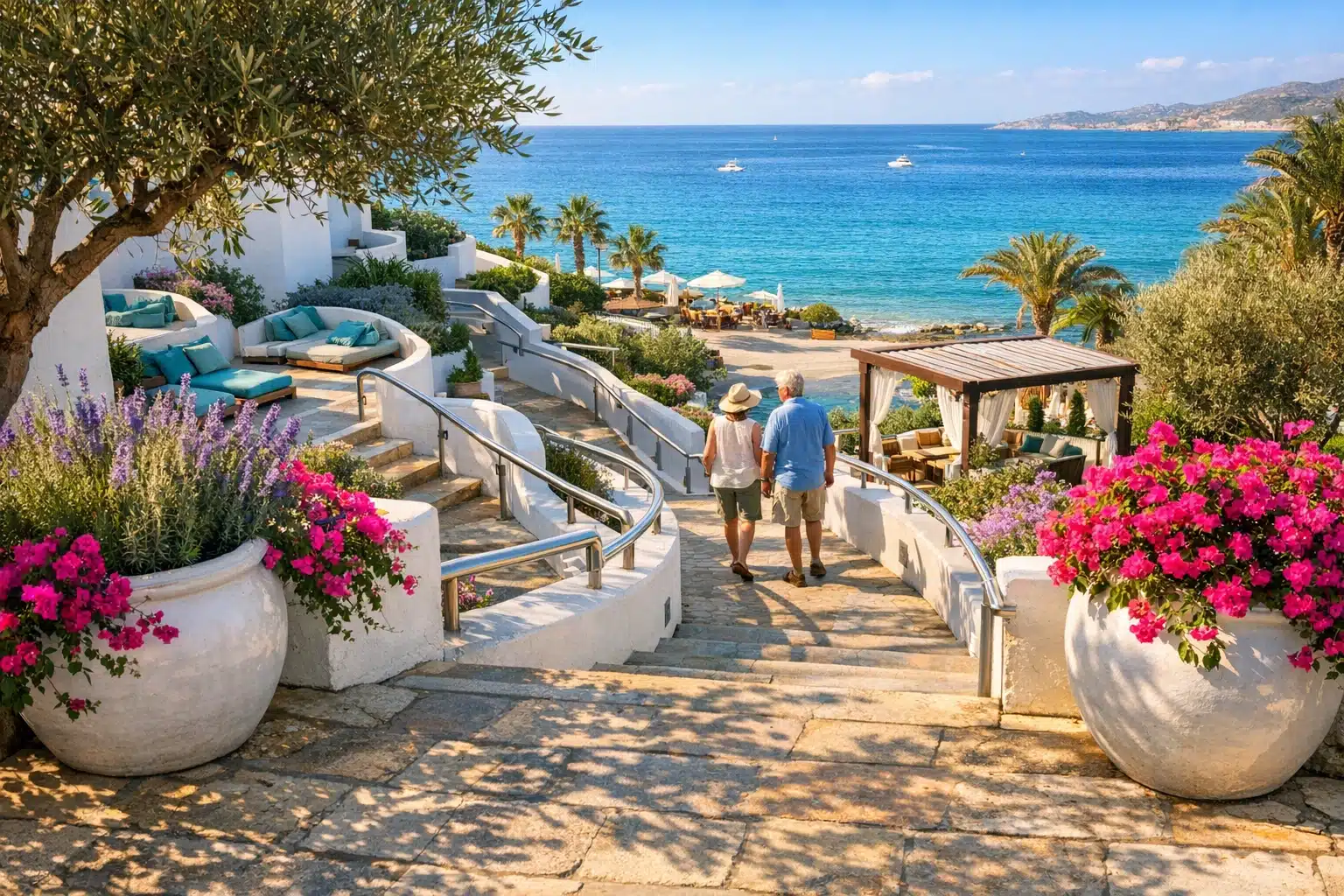
- Is the beach accessed by ramps, steps, or steep paths?
- Can you enjoy the area without renting a car?
A good destination for seniors is one that lets the holiday unfold gently. If getting around feels easy, the days feel longer, the expenses stay steadier, and even a modest resort can begin to feel like a small private luxury.
When to Travel and How to Book for Better Value
Timing is often the single biggest lever for lowering costs. Peak summer brings school holidays, larger crowds, hotter weather, and higher rates in many seaside areas. For seniors, that combination is not always appealing. Late spring and early autumn frequently offer a better balance: milder temperatures, quieter promenades, and room prices that are often noticeably lower than in the busiest summer weeks. In many coastal destinations, traveling in May, June, September, or early October can cut accommodation costs by a meaningful margin, sometimes by a quarter or more compared with peak dates, while still providing plenty of pleasant beach weather.
Booking style also matters. Package holidays can be excellent value when they include flights, baggage, transfers, and breakfast or half-board. They reduce planning stress and can make the total cost easier to predict. Independent booking, however, can work well for seniors who prefer rail travel, flexible dates, or self-catering accommodation. The better choice depends on the destination and the traveler’s priorities. If a package includes awkward flight times or a long coach transfer, a slightly more expensive independent plan may still offer better value because it is less tiring and more comfortable.
There are several practical ways to improve value without taking unnecessary risks:
- compare midweek departures as they are often cheaper than weekend travel
- check whether longer stays reduce the nightly rate
- look for senior discounts on rail fares, museum entries, or local transport passes
- book directly with hotels after comparing listing sites, since some properties offer better cancellation terms or added extras
- read the small print on baggage, transfers, resort fees, and city taxes
Travel insurance deserves special attention. It may feel like an added cost, but for older travelers it is often part of sensible budgeting. Medical coverage, cancellation protection, and support during delays can prevent a manageable trip from becoming an expensive problem. It is also wise to pay attention to heat. A cheap July offer may not be the best bargain if extreme temperatures limit outdoor time and increase fatigue. Comfort has value.
One more useful comparison is seven days versus ten. A longer stay can sometimes lower the average nightly cost, especially in apartments or guesthouses, and it gives more time for rest between outings. A seaside holiday is not a race. If the calendar allows it, traveling outside the busiest dates and giving yourself a little extra time can be one of the kindest and most economical decisions you make.
Accommodation, Transport, and Accessibility: Where Money and Comfort Meet
Accommodation is where affordability can become either practical or misleading. A low room rate looks attractive, but seniors benefit from checking what that rate really includes. Is there a lift? Are there handrails in the bathroom? How far is the property from the beach, bus stop, or nearest grocery store? Does the room have air conditioning in warm climates, or heating in cooler shoulder-season months? Small features can make an enormous difference to comfort, and comfort influences how much money gets spent elsewhere. A hotel that is easy to navigate can reduce the need for taxis, extra meals out, or unplanned changes.
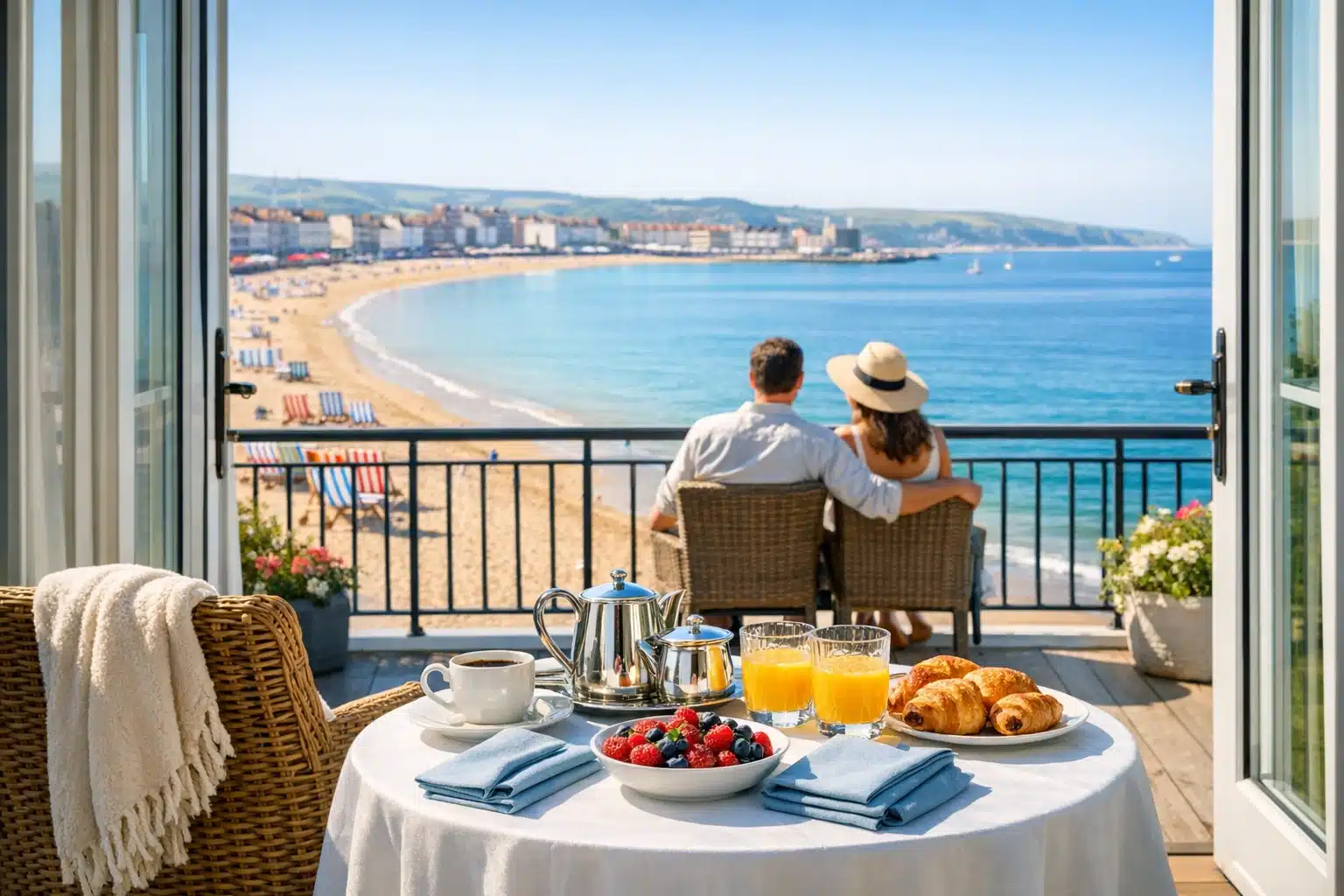
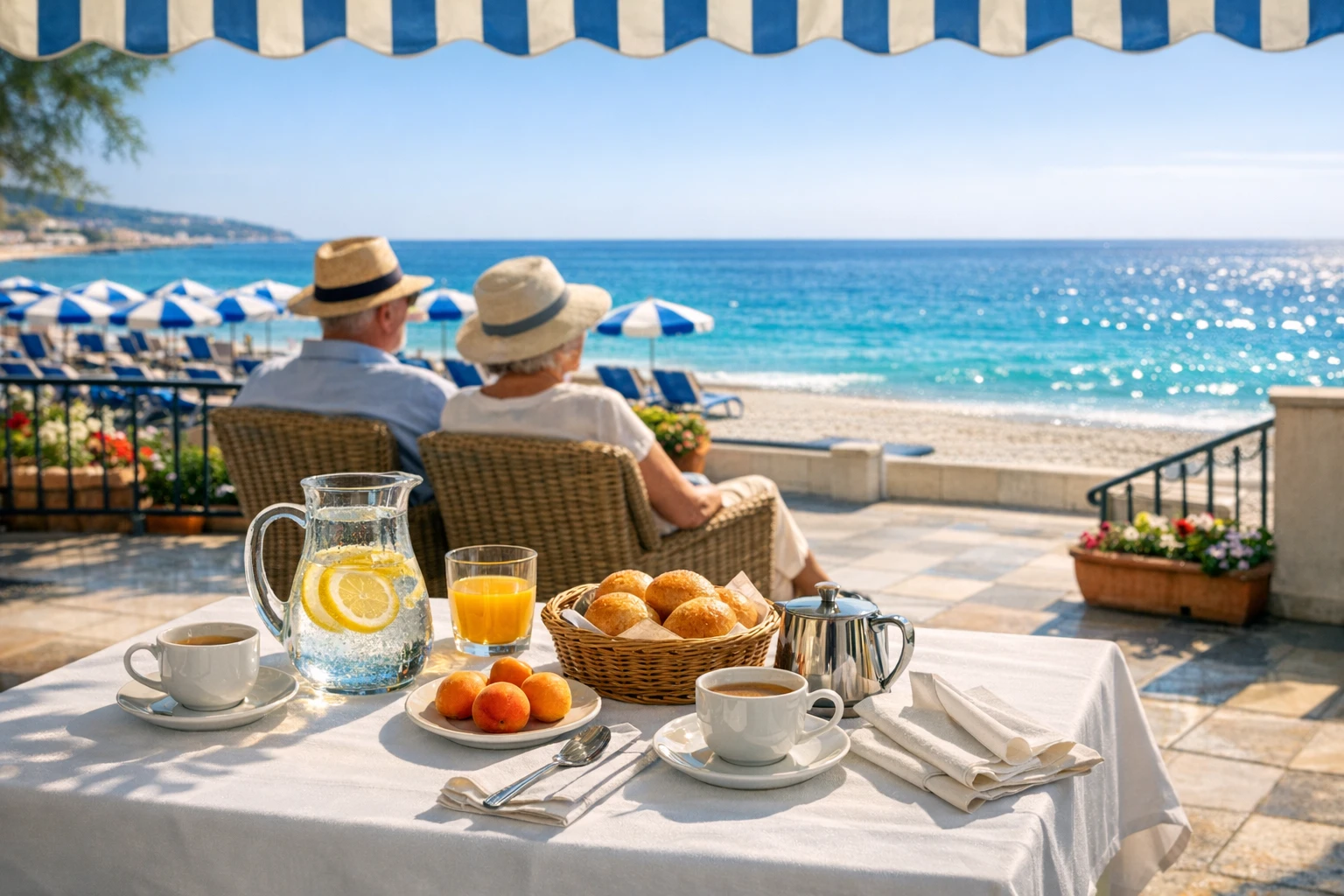
Hotels, apartments, and aparthotels each suit different kinds of travelers. Hotels can be the simplest choice, especially for short stays, because housekeeping, reception support, and breakfast are usually included. Apartments may offer better value for longer visits and make it easier to control food costs through simple lunches or evening meals at home. Aparthotels sit neatly in the middle, offering more space and a small kitchen while keeping some hotel-style services. For seniors who enjoy a calm routine, this can be ideal: tea on the balcony, a light breakfast in the room, then a gentle walk to the seafront before the day warms up.
Transport deserves the same careful comparison. Direct flights are often worth paying a little more for if they reduce long layovers or stressful connections. Train travel can be excellent for certain coastal routes, especially where stations are central and luggage handling is easier. Coach transfers included in holiday packages may be good value, but check their duration. A cheap transfer that adds three hours after landing can make the first day feel longer than it needs to be.
Use this checklist before booking:
- distance to the beach and town center
- availability of lifts or ground-floor rooms
- walk-in shower rather than a high bathtub
- quiet surroundings for better sleep
- nearby access to pharmacies, clinics, and shops
- clear details on meal plans and extra charges
Meal plans are worth comparing honestly. All-inclusive is not automatically the cheapest option for senior travelers, especially if you prefer light meals and spend much of the day exploring. Half-board or breakfast-only can be better value in towns with affordable local cafés. On the other hand, if mobility is limited or the resort is isolated, paying for meals on site may be a smart trade-off. The most useful question is not “What is cheapest on paper?” but “What will make each day simpler without creating hidden costs?” That is where good value lives.
Final Thoughts for Senior Travelers: Building a Relaxing Holiday That Stays Affordable
An affordable seaside holiday does not have to feel pared down or second best. In many cases, the opposite is true. The habits that keep costs under control often improve the trip itself: traveling in quieter months, choosing a walkable town, staying somewhere comfortable rather than flashy, and leaving enough room in the schedule to rest. Seniors are often in the perfect position to enjoy this style of travel. Without the pressure to chase every attraction or squeeze into the busiest dates, it becomes easier to notice what really makes a coastal break satisfying: good air, pleasant food, nearby views, and time that moves at a human pace.
It also helps to think in terms of daily rhythm rather than one large total. A budget-friendly day by the sea can be beautifully simple. Breakfast in the room or at a local café, a morning promenade, a leisurely lunch, a nap or reading break during the warmest hours, and a gentle evening meal near the waterfront may cost far less than a packed sightseeing schedule. Many of the best seaside pleasures are low-cost or free.
- watching fishing boats return at dawn
- sitting on a shaded bench with a book
- taking a local bus to a nearby harbor town
- visiting a market for fruit, cheese, or pastries
- enjoying sunset from the promenade instead of paying for entertainment every night
If you are planning for yourself or helping an older relative organize a trip, keep the priorities clear. Look first at journey ease, local access, and comfort inside the accommodation. Then compare total cost, not just the room price. A slightly higher nightly rate can be worth it if it removes taxi fares, reduces walking strain, and makes meals easier. The most successful holidays are usually the ones designed around real needs, not idealized travel images.
For seniors in particular, a relaxing getaway should feel manageable before it feels impressive. Choose the coast that fits your pace, travel when the crowds have thinned, and book the features that make daily life easier. Do that, and the holiday becomes more than affordable. It becomes dependable, restorative, and genuinely enjoyable, with enough ease left over to hear the waves and think, quite happily, that this was money well spent.