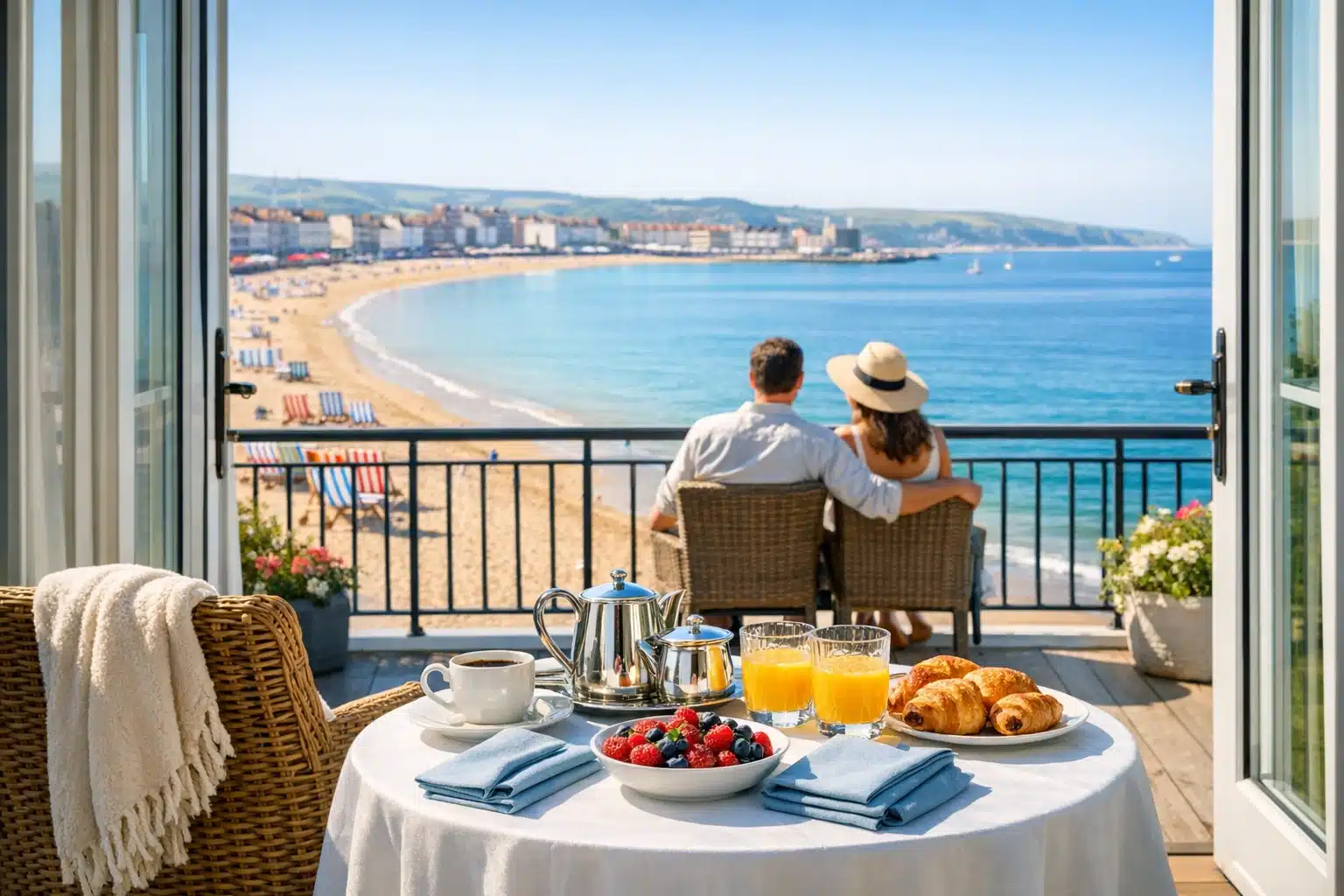
2-Night All-Inclusive Bournemouth Beach Resort Guide
Bournemouth makes a strong case for the short seaside escape: it is easy to reach from London and much of southern England, has broad sandy beaches, and offers enough dining, nightlife, and coastal scenery to fill a compact two-night stay. That matters because many travelers want a break that feels restorative without needing a full week away. An all-inclusive package can simplify the trip, but in the UK the label often hides important differences, so choosing well matters. This guide breaks down what to expect, what to compare, and how to turn a brief Bournemouth resort stay into a genuinely worthwhile mini holiday.
Outline and Overview: Why Bournemouth Works for a 2-Night Beach Resort Stay
Before getting into rooms, meal plans, and booking tactics, it helps to understand why Bournemouth repeatedly appears on short-break wish lists. The town combines practical convenience with classic seaside appeal. Fast rail services from London often take around two hours, and the drive from many parts of the South can be straightforward outside peak holiday traffic. For travelers who want maximum holiday feeling with minimum travel friction, that matters a great deal. You can check in on a Friday afternoon, hear the sea before sunset, and still have almost two full days to enjoy the coast.
Bournemouth also offers a kind of beach experience that is still relatively unusual in England: a long, open stretch of sand with a resort atmosphere rather than a purely urban waterfront. The coastline in and around the area is often described as extending for roughly 7 miles, with Bournemouth Beach linking visually and practically to nearby spots such as Boscombe and Sandbanks. Compared with busier city-beach combinations like Brighton, Bournemouth tends to feel more spacious and less tightly compressed between road, rail, and promenade. Compared with more remote coastal escapes in Cornwall or Devon, it is generally easier to reach for a quick weekend.
This guide follows a simple structure so readers can move from the big picture to booking decisions with less guesswork. Outline: • why Bournemouth suits a two-night break • what all-inclusive usually means in a UK beach resort context • how to compare location, room type, and facilities • how to shape a satisfying 48-hour itinerary • how to book with realistic expectations on price and value. That sequence matters because many disappointing short breaks are not caused by the destination itself. They happen when travelers assume too much from the package name and too little from the details.
There is also a broader reason this topic is relevant now. Short domestic breaks have become increasingly attractive to couples, families, solo travelers, and friend groups who want control over budget and time. A two-night format fits around school schedules, shift patterns, and limited annual leave. When the hotel includes most of the practical essentials, the stay can feel calmer from the start. You spend less energy scanning menus, tracking separate costs, or worrying about where to eat after a windy walk on the promenade. In a good resort, the whole experience gains rhythm: arrival, sea air, warm meal, comfortable bed, then another day with fewer decisions and more room to enjoy the coast.
What All-Inclusive Usually Means in Bournemouth and How It Differs from Overseas Resorts
The phrase all-inclusive sounds wonderfully simple, but in Bournemouth it often needs translating. In Mediterranean or Caribbean resorts, travelers may expect buffet meals, snacks throughout the day, a broad drinks list, entertainment, and multiple on-site facilities all wrapped into one price. In the UK, especially in beach towns where hotels vary widely in age, scale, and ownership style, the term can cover several models. One property may include breakfast and dinner only. Another may include selected drinks at fixed times. A third may package accommodation with restaurant credit, spa access, or afternoon tea rather than unlimited food and beverages. None of these options is necessarily poor value, but they are not the same thing.
That is why reading package details matters more than reading marketing language. When comparing Bournemouth beach resorts, check the inclusions line by line. Useful questions include: • Are all meals included or only breakfast and dinner? • Are drinks limited by brand, time window, or quantity? • Are children included on the same terms as adults? • Is parking included? • Does spa or pool access come with restrictions? • Is there entertainment on site, or are you mainly paying for the location and dining plan? For a two-night trip, these details can change the real value of the stay more than the headline room rate.
Bournemouth is especially interesting because it sits between the traditional British seaside hotel model and the modern lifestyle-break model. Some resorts lean into classic hospitality: sea-view lounges, afternoon refreshments, set dinner service, and easy access to the pier and gardens. Others are more contemporary, offering stylish rooms, flexible dining, and add-ons such as cocktail packages, wellness treatments, or rooftop spaces. If you are comparing options, it helps to decide whether you want convenience, indulgence, or predictability. A family may value bundled meals and pool time. A couple may prefer half-board plus a better room and one quality dinner. A group of friends may care more about location near bars, beachfront access, and late breakfast.
There is another practical distinction worth noting: in Bournemouth, “all-inclusive” may save money mainly by reducing spending drift rather than by offering unlimited luxury. On a short stay, this is often enough. If your meals are covered, your beach access is walkable, and the hotel provides enough comfort to keep you on site for part of the day, you are less likely to overspend on taxis, impulse dining, or convenience purchases. In other words, the best Bournemouth all-inclusive package is not always the one with the longest inclusions list. It is the one whose inclusions match the pace and priorities of your two-night break.
How to Choose the Right Bournemouth Beach Resort: Location, Rooms, Facilities, and Guest Experience
Choosing the right resort for a two-night stay is partly about price, but mostly about fit. Bournemouth has a mix of larger seafront hotels, boutique-style properties, family-focused stays, and traditional resorts that have been refreshed to meet modern expectations. For such a short trip, the wrong hotel can shrink the experience quickly. A beautiful room that sits too far from the beach may feel inconvenient. A cheap deal with weak meal options can turn into a string of extra expenses. A lively property near nightlife may be perfect for one couple and exhausting for another.
Start with location. If “beach resort” is central to the appeal, check whether the property is truly seafront, near the cliff top, or inland but marketed through its proximity to the coast. Bournemouth’s topography matters: some hotels have sweeping sea views from above, which can be lovely, but access to the sand may involve zigzag paths, lifts, or a steady uphill return. For travelers with buggies, limited mobility, or simply a preference for easy movement, those details are important. Areas near the pier and central beach are convenient for first-time visitors. Boscombe may appeal to travelers who like a slightly quieter feel with character and surf culture nearby. West Cliff properties can offer dramatic views and a calmer atmosphere, though walking routes should be checked.
Room choice matters more on a short break than many people expect because you spend a higher proportion of your trip in and around the hotel. A sea-view room can transform the mood of a two-night stay, especially when the weather shifts from bright morning sun to a moody, silver horizon in the evening. Yet the premium is only worth paying if the room itself is comfortable and quiet. Compare room size, air conditioning or fans in summer, blackout curtains, mattress quality, sound insulation, and whether family rooms actually provide sensible sleeping arrangements. Good value is often found in a mid-tier room with a reliable layout rather than the cheapest category or the most heavily upgraded one.
Facilities should be judged through the lens of use, not novelty. A resort may advertise a pool, spa, bar, terrace, gym, games area, or live entertainment, but for a two-night stay the key question is whether you will genuinely use those features. Consider this quick filter: • indoor pool for rainy weather • restaurant with decent included options • lounge or bar for evenings on site • parking if arriving by car • late checkout or luggage storage for your final day • family-friendly spaces if traveling with children. The best resort is rarely the one with the longest brochure. It is the one that removes friction, matches your travel style, and makes Bournemouth feel easy from check-in to departure.
How to Spend 48 Hours Well: Meals, Beach Time, Nearby Attractions, and Seasonal Differences
A two-night Bournemouth resort stay works best when it balances structure with breathing room. Because the trip is short, every choice has more weight, but overplanning can flatten the fun. The smartest approach is to anchor the stay around a few reliable highlights and let the rest unfold naturally. A good all-inclusive resort helps because breakfast and at least one other meal are already handled, leaving you free to focus on the town’s strongest assets: the beach, the gardens, the pier area, and the wider coastline.
A simple arrival-day rhythm might look like this: check in, drop bags, take a first walk along the seafront, then settle into dinner at the hotel before deciding whether the evening calls for cocktails, live music, or an early night with the window cracked open to the sea air. On the full day in the middle, aim for a mix of resort comfort and local exploration. You might spend the morning on the beach or promenade, the afternoon visiting the Bournemouth Pier area, the Lower Gardens, or nearby coastal viewpoints, and the evening back at the resort enjoying the part of the package you already paid for. On the final morning, a leisurely breakfast and a short coastal walk can make the checkout day feel like part of the holiday rather than an administrative ending.
Season matters in Bournemouth more than some first-time visitors expect. Summer delivers the classic picture-postcard version: busy sands, deckchairs, outdoor cafés, and long daylight hours that stretch the usable day. Spring and early autumn can be excellent for couples and walkers because the seafront is calmer, hotel rates are often more competitive, and the coast still looks striking even when swimming is not the priority. Winter short breaks can also work, particularly if the resort has strong indoor facilities. There is a special charm to a windswept promenade followed by a warm lounge, a hot meal, and no pressure to go anywhere else. Bournemouth does not need tropical weather to be enjoyable; it needs the right expectations.
If you want to add nearby excursions, keep them realistic. On a two-night trip, less is often more. Good options include: • a walk toward Boscombe for a slightly different beach atmosphere • a visit to Sandbanks for upscale coastal scenery • time in the gardens and town center for shopping or cafés • a slow promenade stroll rather than a packed attraction schedule. The secret of a successful 48-hour beach resort break is not how much you cram in. It is how well the resort and the destination work together, giving you enough variation to feel away, yet enough simplicity to actually relax.
Conclusion: Booking Smart and Deciding Whether This Type of Bournemouth Break Is Right for You
For the right traveler, a two-night all-inclusive Bournemouth beach resort stay can be one of the most efficient leisure purchases in the UK short-break market. It compresses travel, accommodation, food, and atmosphere into a manageable format that does not demand a long planning cycle or a large block of leave. That makes it especially appealing for couples wanting a quick reset, parents testing a short family getaway, friends fitting in a seaside weekend, and solo travelers who prefer a trip with fewer moving parts. Bournemouth earns its place in this conversation because it is accessible, visually appealing, and broad enough in hotel style to suit more than one kind of visitor.
The key is to book with clear eyes. In this setting, all-inclusive should be treated as a practical framework rather than a fantasy label. Look closely at what is actually bundled, think honestly about how you travel, and compare resorts based on usability rather than promise. A package that includes breakfast, dinner, good beach access, and a comfortable room may suit you better than one offering more inclusions on paper but less convenience in practice. For many weekend travelers, the real luxury is not endless choice. It is the relief of having enough already arranged.
If you are budget-conscious, traveling outside peak summer can improve value dramatically, and midweek stays may unlock stronger rates than Saturday-heavy weekend patterns. If you are celebrating something, a sea-view upgrade, a better dining package, or late checkout may deliver more satisfaction than a long list of extras you never use. If you are traveling with children, prioritize ease: family rooms that truly fit, indoor options for bad weather, and a meal plan that reduces decision fatigue. If you are going as a couple, ambiance and sound levels may matter more than activity lists. In every case, the smartest choice comes from matching the resort to the purpose of the break.
So, who is this guide really for? It is for readers who want a short coastal escape that feels simple but not bland, convenient but not careless. Bournemouth can provide exactly that when the resort, package, and expectations line up. Pick well, and two nights are enough to leave with sandy shoes, clearer thoughts, and that pleasant end-of-trip feeling that says the weekend was not wasted at all. It was used well.